

Research + White Papers

Research
Curriculum and Reconciliation: Introducing Indigenous Perspectives into K–12 Science
Curriculum and Reconciliation: Introducing Indigenous Perspectives into K–12 Science briefly and visually outlines the landscape of school science curricula across the country. Several jurisdictions integrate Indigenous content, perspectives, and ways of knowing, while others have yet to include references to Indigenous perspectives.

Research
Economic Equality in a Changing World: Removing Barriers to Employment for Women
Action is needed to alleviate gender barriers. This report summarizes existing research and prevailing issues surrounding gender inequality, including those exacerbated by COVID-19, and points to further research that needs to be done on initiatives to reduce gender inequalities.

Research
Adapting to the Changing World of Work
The 2020 Survey on Employment and Skills explores the perspectives and experiences of Canadians relating to education, skills and employment, including perceptions of job security, the impact of technological change, and the value of different forms of training.
Research
Bridging Generational Divides: Advancing Digital Skills in Canada’s Apprenticeships and Skilled Trades Ecosystem
A digital revolution is coming to the skilled trades. Tradespeople will need a range of new digital skills to keep pace with the future of work. In this report, we look at how Canadian apprenticeship training can adapt to the future of work.

Research
Digital Differences: The impact of automation on the Indigenous economy in Canada
How is technological change, and specifically automation, affecting Indigenous workers in Canada? Digital Differences looks at the impact of automation on the Indigenous economy by industry and region.

Research
Understanding the Nature and Experience of Gig Work in Canada
Gig work & gig workers are on the rise, fueled by technology that makes this form of work more easily accessible. What does this mean for Canada’s labour market and how should we respond? This report explores what we know, and what we need to know, about the nature of Canada’s gig economy and the experiences of its workers.

Research
Mapping the Landscape: Indigenous Skills Training and Jobs in Canada
Indigenous businesses are growing and — importantly — creating employment for others. Further, self-employment and entrepreneurship is increasing. If there is an opportunity for the next generation, and for current adult workers, to leapfrog into the future of Canadian work, it may very well be through Indigenous-led business.
Research
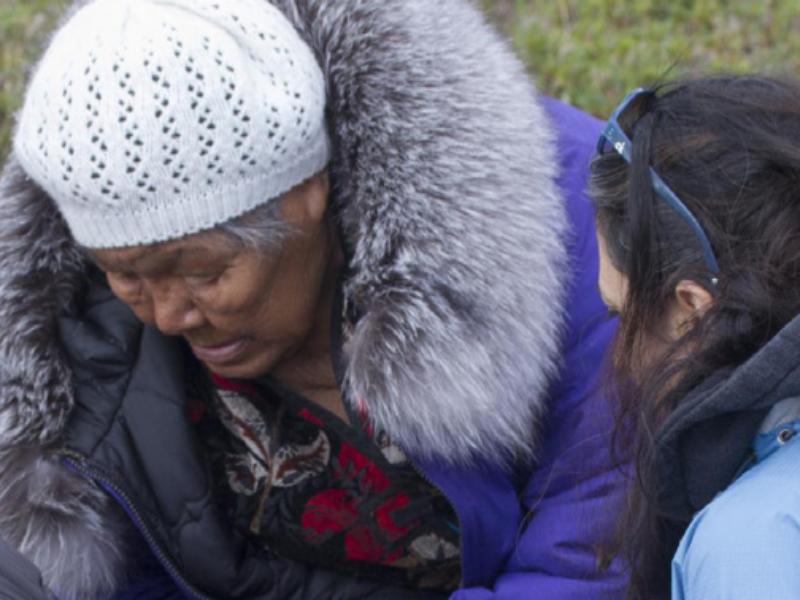
Sustainable Northern Livelihoods: A Primer
Economic growth in Canada’s North has outpaced the rest of the country. This primer discusses the challenges still faced by Indigenous people in the North, who continue to experience socio-economic disparities

Research
Incorporating Indigenous Cultures and Realities in STEM
How are organizations in Canada working to increase Indigenous representation in science, technology, engineering, and mathematics (STEM) careers? This primer introduces a novel typology based on 100-plus recent Canadian initiatives.