

Future Skills
Future skills – basic literacy, numeracy and socio-emotional skills – are important across all economic sectors and occupations. Figuring out who and how to address skills gaps is key to building an inclusive workforce with upward mobility.

Video
How Gen Z is Saying No to Corporate Culture
Work hard. Get a promotion. Work harder. Get another promotion. And climb that corporate ladder. That's the script a lot of us grew up with. But according to a 2025 study from Deloitte, that's not what some younger workers are interested in doing. The study found only 6 per cent of Gen Z workers want to move into a leadership position. Instead, they want things like more work/life balance. Flexibility. Mental health. We talk to Tricia Williams, the director of Research, Evaluation, and Knowledge Mobilization at TMU's Future Skills Centre, about how young professionals are redefining the way they work.

In the Media
Taking a closer look at the future workforce needed in Canada as nation-building projects ramp up
Amid a focus on large-scale, nation-building projects, the workforce needed to pull this strategy off is the topic of discussion at the ECO Impact Conference in Calgary tomorrow. For more, we spoke with Noel Baldwin, the Executive Director at the Future Skills Centre.

Event
FSC at Power & Purpose Summit 2026
We’re excited to share that Dayana Tellez, Senior Research & Evaluation Associate at the Future Skills Centre, will be speaking at the Power & Purpose Summit in Toronto.
Initiatives
Interim Update from the Resilient Workforce Working Table
In July 2025, the Future Skills Centre (FSC) formed the Resilient Workforce Working Table to identify creative and practical approaches to strengthen the resilience of the Canadian workforce for the short and long-term.

In the Media
Upskilling Canada’s workers and ensuring a resilient workforce: Q&A with Noel Baldwin at the Future Skills Centre
In a Q&A interview, Baldwin talked with Research Money’s managing editor Mark Lowey about: how Canadian workers can keep upskilling in the face of automation and rapid technological change; how young people can gain the right skills in finding employment; the value of formal and information education and work-integrated learning; how government can help workers who need transition in their careers; Canada’s labour market strengths; and the aim of FSC’s recently launched Resilient Workforce Working Table.
Initiatives
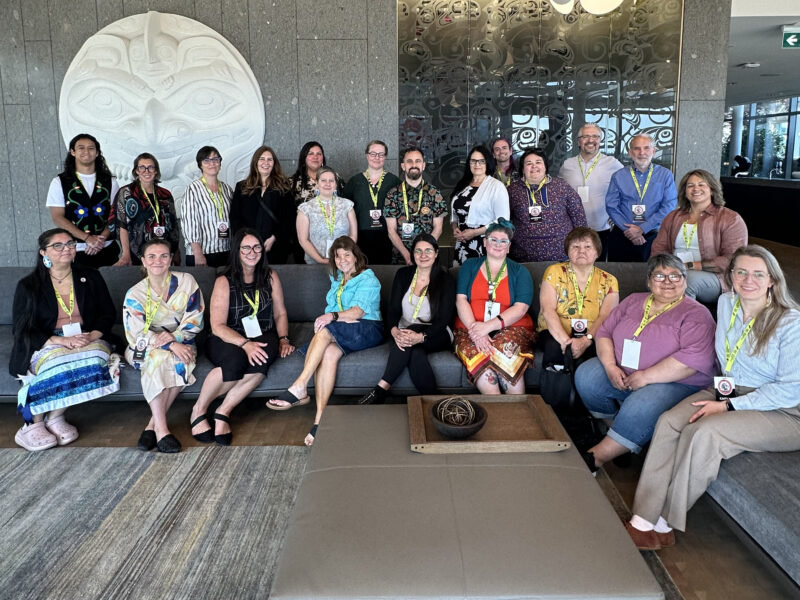
2025 ISET Event Report
From May 22-23, 2025, the Future Skills Centre, in partnership with Jelly Academy Inc. co-hosted an in-person, two-day Innovative Indigenous Career and Future Skills Symposium.

Podcast
Investing Skills to Improve Profitability and Sustainability
In this episode of The Finance Cafe Podcast, host Shannon Pestun welcomes Laura McDonough, Associate Director of Insights & Knowledge Mobilization at the Future Skills Centre. Laura leads national research and knowledge-sharing efforts that help shape evidence-informed policy and practice across Canada’s skills ecosystem. With a background in research and evaluation at United Way Greater Toronto and a deep commitment to making data accessible and actionable, Laura brings a unique lens that bridges research, lived experience, and real-world workforce development.
Blog
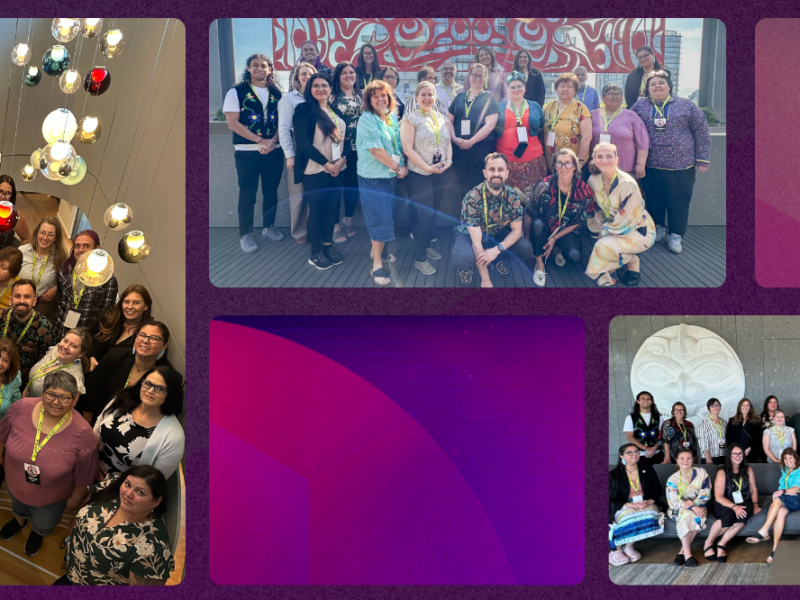
Walking the Talk: Reflections on Relationship-Building in Indigenous Workforce Development
The ISET Symposium reinforced that relationship-building between Indigenous and non-Indigenous partners is not a one-time activity or a short-term objective. It is an ongoing responsibility that requires humility, reflection, and sustained commitment, with Indigenous partners setting the pace and direction of the work.

Research
Impacts of Customization and Wraparound Supports for Digital Skills Upskilling Insights
This report examines the role of wraparound supports in digital skills training programs, specifically for women, newcomers and refugees, and Black youth.