Transition to a New Tomorrow
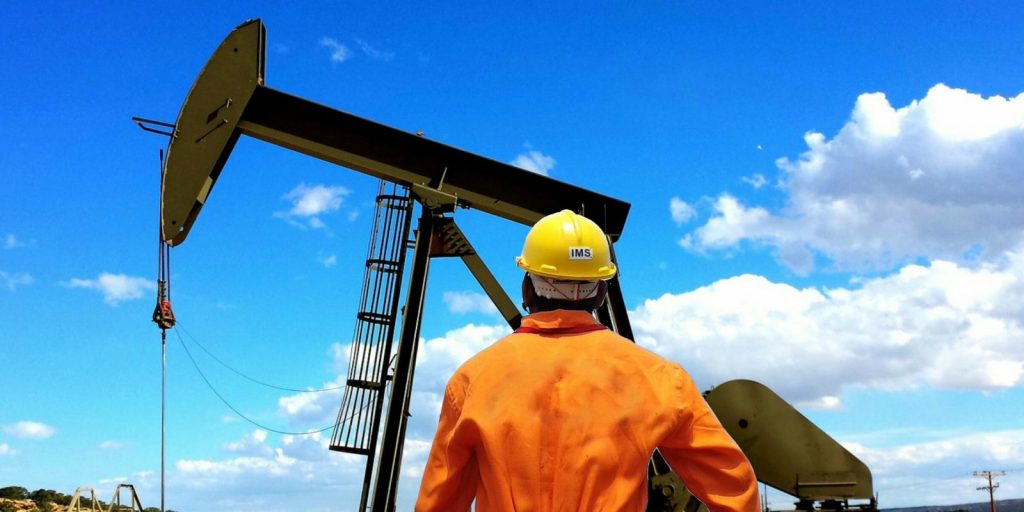
As economies and the world of work transform, career changes are becoming much more crucial for workers, particularly in the oil and gas sector in Alberta. Many professionals in that sector need to pivot careers but for mid-career workers there is a lot of stigma and confidence issues that create obstacles for many considering a change.
Colleges like Edmonton’s Norquest College can play an important role in retraining efforts and its “Career Moves” program was designed and tested to meet the needs and sensitivities of mid-career workers in many industries to help foster successful career transitions.
The Career Moves program explored various career counselling and soft skills development approaches, divided into three phases:
- professional exploration: reflecting on mid-career workers’ skills and interests;
- professional development: receiving the skills training they need; and
- professional reflection: understanding professional development options.
The services included activities like seminars, coaching, work-integrated learning and peer support. The program also ensured it was accessible for a variety of equity-seeking demographic groups.
The training was customized to the individual needs of participants, who completed it at their own pace. According to post-project evaluations, participants indicated high rates of satisfaction with clear quantitative improvements in their employment outcomes, such as increased rates of employment and earning comparing pre- and post-training periods.
While the project was aimed at workers in the oil and gas industry, it ended up attracting fewer workers in that sector than originally intended (7% of participants) but more women (62%) and mid-career workers (with an average age of 45) in other fields.
With the number of vulnerable mid-career workers rising, demand for responsive mid-career skills training programs like Career Moves is likely to expand in the years ahead. Crafting a skills training curriculum better tailored to the sensitivities of mid-career workers and which goes beyond technical skills to tackle social/soft skills and psychological issues as well, may be needed to service the needs of this particular demographic.
Featured Projects

Testing Innovative AI for Career and Skills Navigation

BOLD: Better Outcomes for Laid Off Displaced Workers