Polygon Created with Sketch. Home | Research

How Are Educators Navigating the AI Revolution?

In this research, we examine whether post-secondary educators are using generative AI tools in their teaching practice and discuss their concerns about this emerging technology. Are they worried that students will use generative AI to cheat or submit unoriginal work? Do they believe AI tools will negatively impact students’ critical thinking skills and ability to learn for themselves? What guidance are post-secondary institutions offering educators regarding the use of generative AI? Read the data briefing to get our full analysis.

Key insights

Educators are unsure how to handle generative AI. Most of them have neither explicitly allowed nor banned student use of this technology. Eighty per cent said they had not received any guidance or training from their institution.

The need for training is top of mind among educators—both for themselves and for students.

Most educators have not used generative AI in their
teaching practice.

More from FSC

Group of diverse businesspeople having a meeting in a modern office at work.
State of Skills

Meeting the Demand for Talent

Building a resilient national talent pool requires a shift from traditional credential-based hiring and training approaches towards skills-first practices and demand-driven training. These efforts must be paired with increased employer investments in training, and the active removal of systemic barriers for equity-deserving groups.
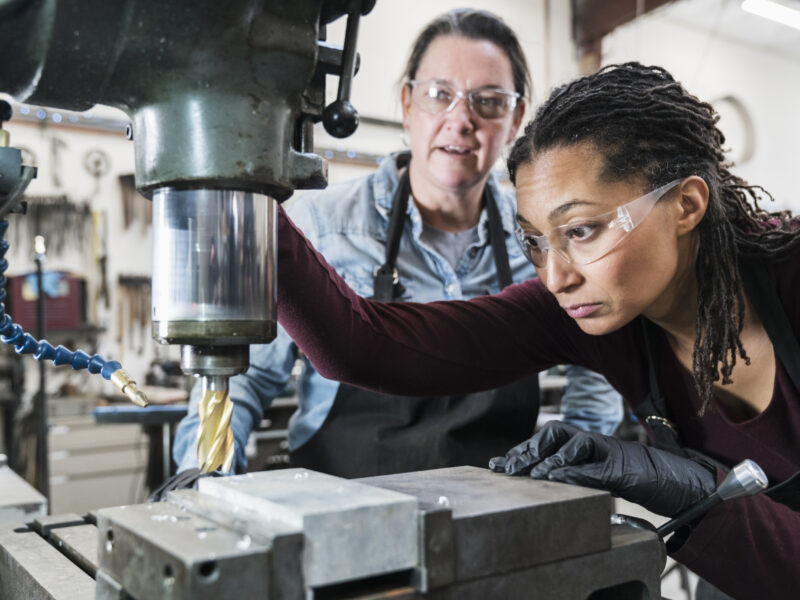
Two women wearing safety glasses standing in a metal workshop, working on metal drilling machine.
Research

Women in Trades: Progress, Barriers and Opportunities

The research addressed three core questions: What is the current state of women’s participation in skilled trades in Canada? What systemic barriers prevent women from entering, completing and advancing in the trades? And what strategies, domestically and internationally, have shown the most promise in addressing these barriers?
Research

Workforce Training in Canadian SMEs: Barriers and Promising Models

This project responds to the need for a clearer understanding of the factors shaping SME upskilling and the conditions under which training investments are more effective.
View all Projects