
Learning from Place-Based Approaches on the Road to Net Zero : International Lessons in Skills Training and Workforce Development
Global and Canadian efforts to reduce greenhouse gas emissions and shift away from fossil fuels have created a central policy question: How can workers, sectors and regions adapt and develop the skills needed for a low-carbon future?
Some communities will feel the impacts sooner and more severely, particularly smaller, rural or remote areas with high concentrations of employment in exposed sectors and limited local economic diversification.
Although Canada offers a broad menu of supports for training, employment insurance and regional economic development, many programs are designed for the general population rather than tailored to the needs of susceptible communities. Targeted, place-based interventions that integrate economic and workforce development can help address this gap. Skills training and workforce development are critical levers for enabling effective and equitable transitions.
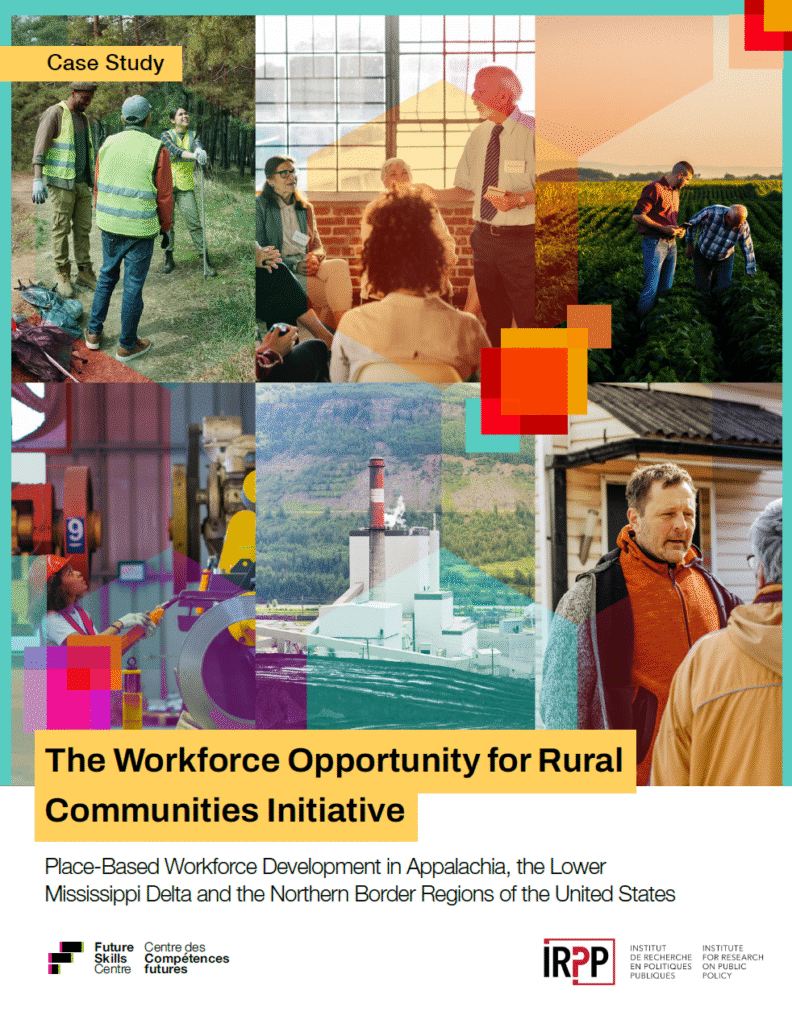
This study reviews eight international initiatives — from Australia, Denmark, France, New Zealand, Spain, the United Kingdom and the United States — that incorporate place-based approaches to skills training and workforce development designed to help workers stay in or close to their communities while gaining the skills they need for long-term employment. Viewed collectively, these case studies inform a comprehensive, unique-to-Canada framework for building workforce resilience in the net-zero transition. Each case highlights specific design choices, strategies, challenges and foundational elements that could be adapted to Canadian institutions and labour market realities.
For Canada, the lessons point to a practical path: identify susceptible communities using transparent indicators, and then governments can layer targeted strategic interventions — for example, training subsidies, infrastructure or economic development grants, targeted employer incentives and local employment services — in proportion to each community’s exposure and readiness. The forthcoming Sustainable Jobs Action Plan, mandated by the Canadian Sustainable Jobs Act, can incorporate these lessons by emphasizing robust co-ordination across orders of government and meaningful engagement with workers, unions, industry and Indigenous communities alongside investments in local capacity and policy certainty.

Case Studies



More from FSC

Meeting the Demand for Talent

Women in Trades: Progress, Barriers and Opportunities