Sustainable Northern Livelihoods: A Primer
Economic growth in Canada’s North has outpaced the rest of the country. This primer discusses the challenges still faced by Indigenous people in the North, who continue to experience socio-economic disparities.
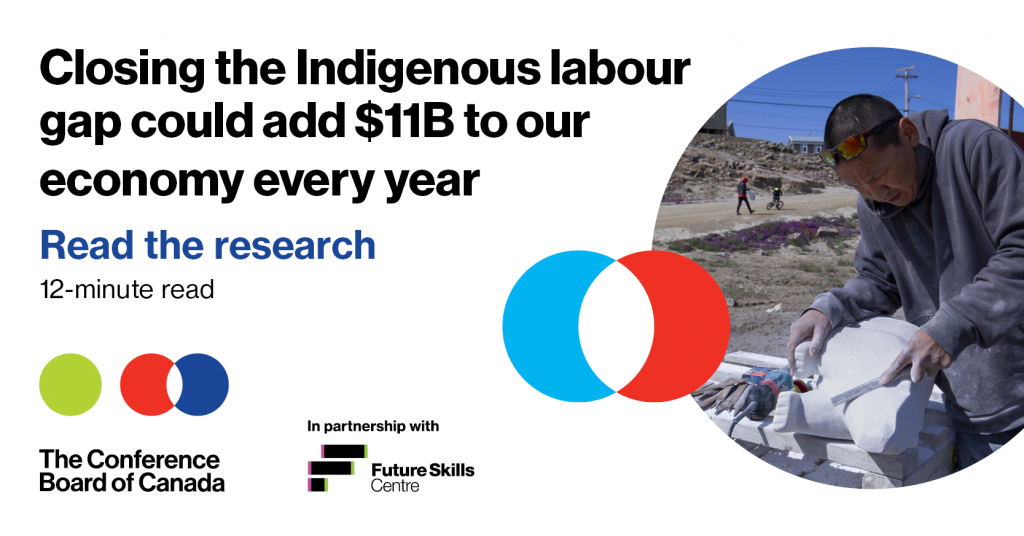
Closing the gaps in labour market participation and outcomes for First Nations, Inuit, and Métis across Canada could add $11.2 billion to the Canadian economy annually. Labour market exclusion issues are most pronounced for Inuit in Inuit Nunangat, and closing the gaps could add $371.6 million to the economy in Inuit Nunangat annually.
The traditional economy is an important component of the mixed economy in Inuit Nunangat and Inuit visions of livelihoods. How can we better understand the traditional economy and its relationships to the wage economy in Inuit Nunangat?
What are the Inuit visions of livelihoods and what motivates and enables people to pursue these different visions?
Sustainable Northern Livelihoods: A Primer discusses the systemic barriers to employment faced by Indigenous people in Canada’s North, focusing on Inuit in Inuit Nunangat. Indigenous workers are more likely to occupy low-paid, low-skilled jobs, and are more vulnerable during economic downturns.
Related Content

Women in Trades: Progress, Barriers and Opportunities

Workforce Training in Canadian SMEs: Barriers and Promising Models