

Youth
Research
Widening inequality: Effects of the pandemic on jobs and income
This report focuses on the overall impact of the pandemic, as well as more specific experiences such as lost hours of work, employment or income. It also looks at who was more likely to receive one or more of the emergency support benefits provided by the government, and how helpful these benefits have been.

Research
New Working Arrangements
The COVID-19 pandemic has resulted in a rapid rise in the number of Canadians who are teleworking. While for many the transition has been positive, and a significant number of workers and employers indicate an interest to continue teleworking arrangements post-pandemic, there are inequalities in access and ability to telework. It is urgent that society responds in ways that will chart a path forward as the pandemic continues to unfold.
Project
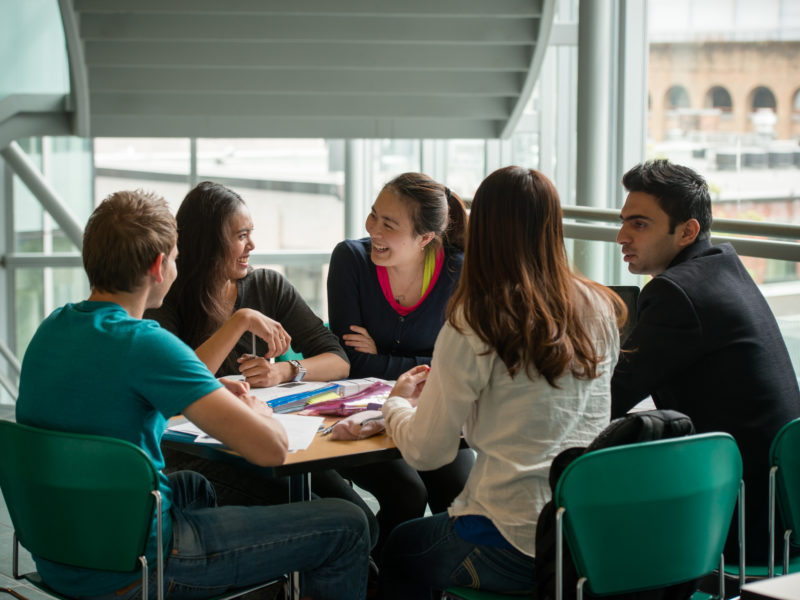
Language learning for young newcomers
BCIT students pursuing skilled jobs receive English language training and content to support them in their studies and job search efforts.

Project
TIMES 2.0
This research will provide data that enables the Yonge Street Mission to better understand and support the journey to gainful employment for those living in poverty.
Research
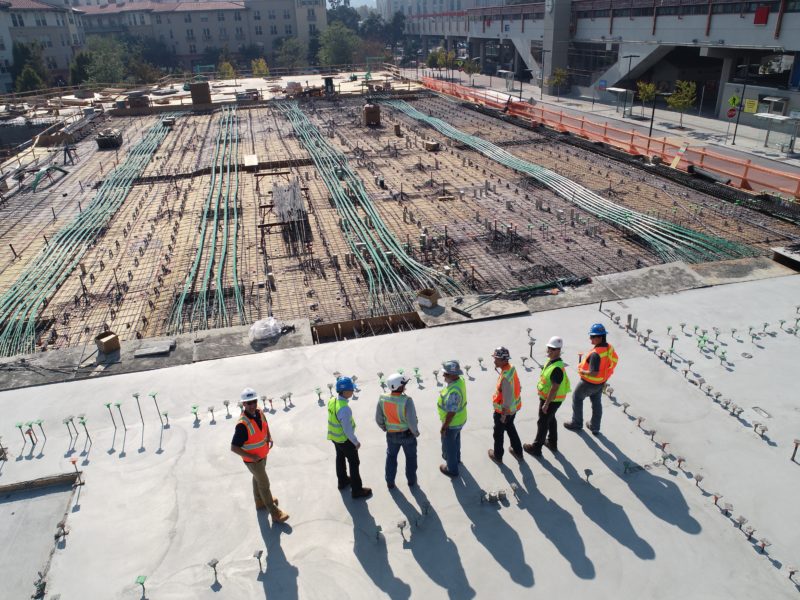
Rising Skills: Digital Upskilling for Advanced Manufacturing Workplaces
Tradespeople need 21st-century digital skills to adapt to today’s more technologically advanced manufacturing sector. This summary looks at ways to strengthen training in Canadian manufacturing.

Research
Rising Skills: Digital Skills Needs for Smart and Connected Vehicles
As the automotive industry shifts toward smart and connected vehicles, tradespeople who service cars, trucks, heavy duty equipment, and other vehicles will need stronger digital competencies. This briefing looks at how stakeholders in the automotive sector can reduce barriers to digital upskilling for both apprentices and journeypersons.
Research
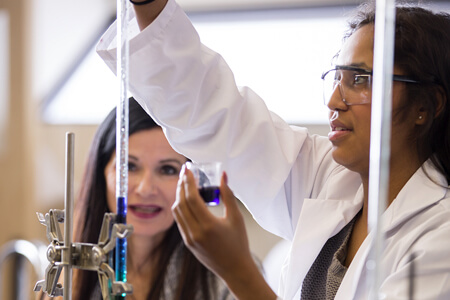
Indigenous STEM Access Programs: Leading Post-Secondary Inclusion
This Issue briefing discusses the impact of current programs for Indigenous learners in science, technology, engineering, and mathematics in post-secondary education. They are one approach to increase Indigenous inclusion in these fields.

Research
Learning Together: STEM Outreach Programs for Indigenous Students
In Learning Together: STEM Outreach Programs for Indigenous Students, we were interested in free STEM programs, not run by the formal education system, that target Indigenous children in Kindergarten to Grade 12. We surveyed these programs across Canada to learn more about how they reach Indigenous youth.
Research
Curriculum and Reconciliation: Introducing Indigenous Perspectives into K–12 Science
Curriculum and Reconciliation: Introducing Indigenous Perspectives into K–12 Science briefly and visually outlines the landscape of school science curricula across the country. Several jurisdictions integrate Indigenous content, perspectives, and ways of knowing, while others have yet to include references to Indigenous perspectives.