Polygon Created with Sketch. Home | Research

STEM for Indigenous Learners

Indigenous people continue to be underrepresented in STEM occupations, which carry political as well as economic weight in our society.

Indigenous communities want to see increased representation of their members in these important positions and see Indigenous ways of knowing incorporated into STEM curricula and professional practices.
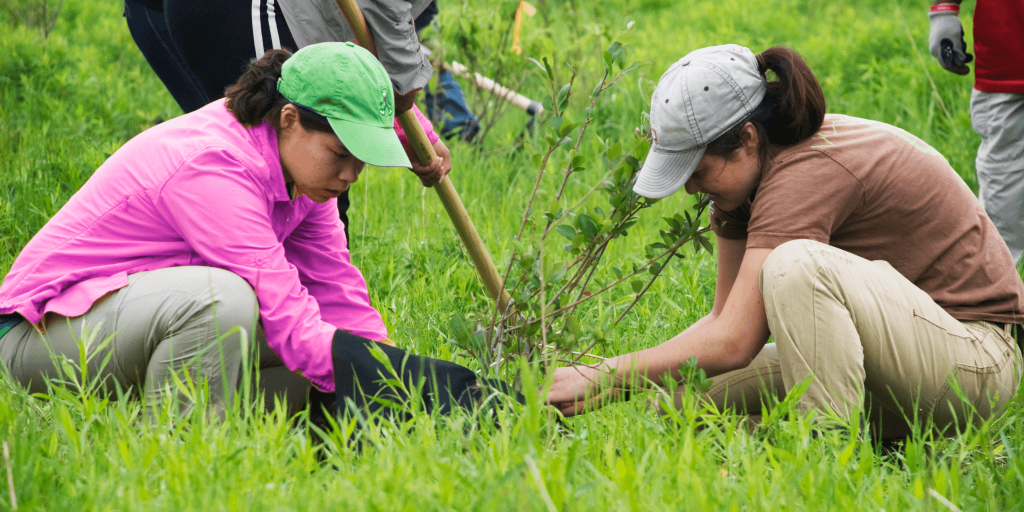
Youth working together to plant a tree.

Cross-cultural approaches may help improve educational outcomes for Indigenous learners in STEM fields. They may also help educators and STEM professionals better understand and appreciate Indigenous values, learning styles, and traditional ways of knowing. Educators want to know which approaches work in cross-cultural STEM education, but the evidence base is currently limited. Similarly, public policy officials need to know which approaches to STEM education are worth funding, and which have the best return on investment.

This project will identify innovative examples of Indigenous STEM initiatives across Canada that are making a difference to learners, and will explore how and why they are effective.

View Related Research
A woman in a grey blazer and a man in a blue shirt sit on wooden tiered seating, focused on a digital tablet they are holding together in a modern, sunlit atrium.
Research

Pathways to Opportunity: Addressing Barriers to Labour Force Participation in a Changing World of Work

Pathways to Opportunity is an evidence-informed pilot that supports social assistance clients facing complex barriers to employment. This report describes the service model, its rationale, objectives, and key elements.
A diverse group of high school students sits around a table in a bright classroom, listening to a teacher who is perched on a desk near a whiteboard with math equations.
Research

Mapping Youth Pathways from Education to Employment: What We Know and How to Strengthen Supports Across Canada

This brief is part of a broader effort to strengthen Canada’s understanding of how best to support youth in their journey from school to work.
Two coworkers smiling and collaborating at a computer in an office.
Research

Supporting Inclusive Work-Integrated Learning as an Employer

Work-integrated learning and placements are critical bridges to employment. Employers who offer inclusive placements can access a wider talent pool, improve retention and performance, and foster innovation through diverse perspectives.
View all Research