Tech-Driven Skill Shifts in Canada’s Mining and Oil and Gas Industries
In this research, we examine how emerging technologies are reshaping work in the mining and oil and gas industries by tracking changes in technology skills and tool and equipment skills over time. The findings offer a strong foundation for future workforce planning and highlight real opportunities to build the right skills, close key gaps, and help Canada’s resource-based sector stay resilient and competitive.
Which are the most widely used technologies in the mining and oil and gas industries? What percentage of firms are using business intelligence tools, clean technologies, security or advanced authentication systems, or other tools? Which industries are adopting advanced technologies above the industry average?

Key insights
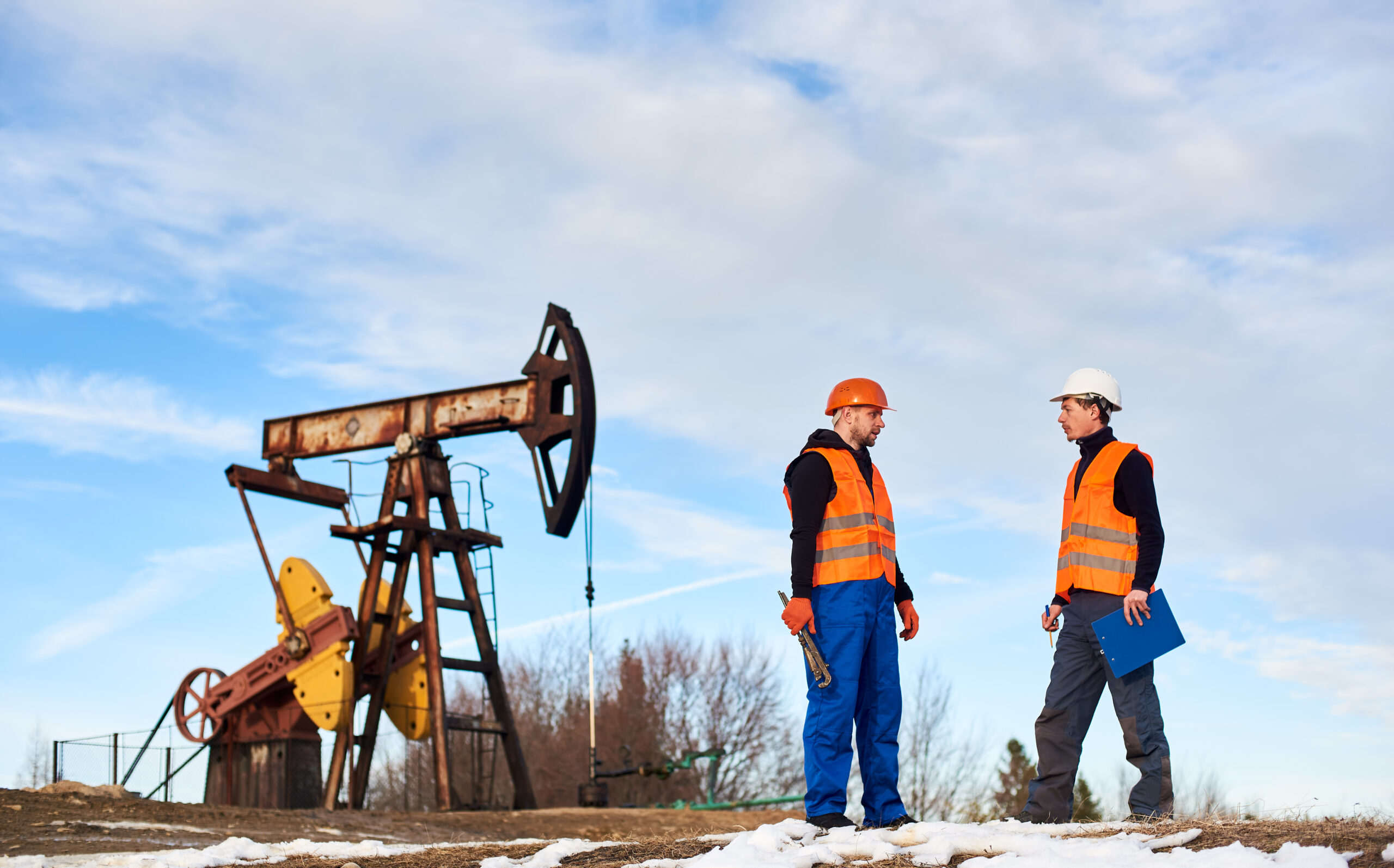
After business intelligence tools, clean technologies (37.4 per cent) and security or advanced authentication systems (34.3 per cent) are the most used technologies by oil and gas firms in 2022.
Material handling, supply chain or logistics technologies (23.6 per cent) and processing or fabrication technologies (16.1 per cent) are the most used technologies by mining firms in addition to business intelligence tools in 2022.
Nearly 60.0 per cent of oil and gas extraction firms use advanced technologies—well above the economy average of 47.2 per cent in 2022. Mining firms (48.9 per cent adoption) are close to the economy average, while support service firms for mining and oil and gas (44.8 per cent adoption) are slightly below the economy average during the same time.
More from FSC

Gearing Up for Global Exports: Identifying Skills and Promising Practices to Support Indigenous Exporters
Mapping Indigenous Export Potential: The Intersection of Indigenous Self-Employment With Canada’s Export Economy