Emissions Reduction and Demand for Skilled Trades
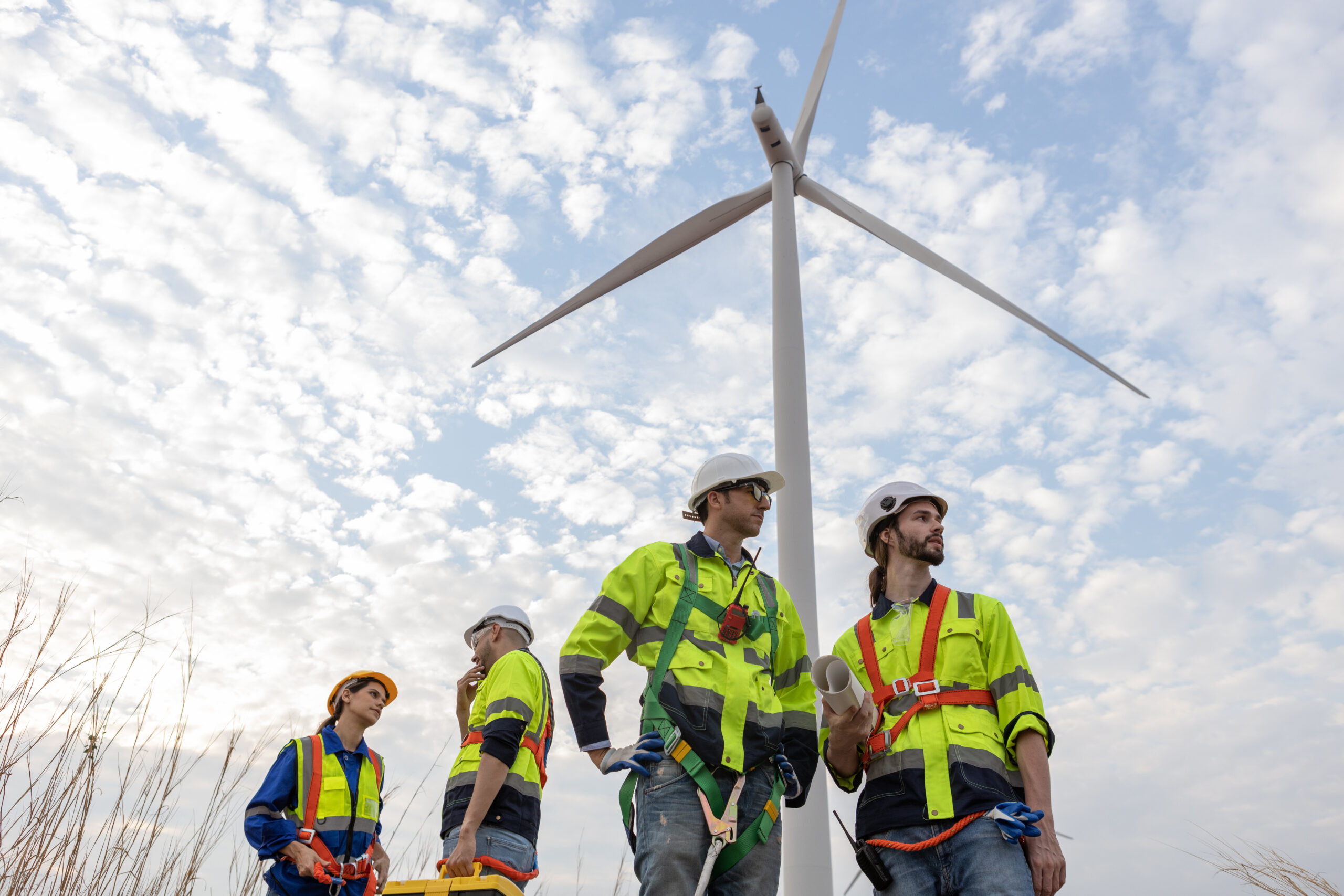
Canada’s push to meet its climate targets will reshape both the construction sector and the broader demand for skilled trades. If policies outlined in the 2030 Emissions Reduction Plan (ERP) continue to take effect, demand for skilled trades in construction and supporting sectors (e.g., rail) will shift dramatically, driven by new sustainability standards, infrastructure priorities, and green technology advancements.
In this research, we examine the potential impact of policies outlined in the ERP on the skilled trades in the construction sector. We focus on answering the following questions: Which roles will see increased demand as Canada shifts focus to meet its climate targets? How will the current top in-demand skilled trades be affected by this shift? Which occupations will continue to be essential, and in which areas will workers need to develop new skills and expertise?

Key insights
Already‑high demand for heavy equipment operators will continue to grow, as will their relative share of the workforce because more workers skilled in operating heavy machinery will be needed to support large‑scale sustainable infrastructure projects.
Other trades set to grow include welders, pipefitters and sprinkler system installers, and transport truck drivers—key roles supporting renewable energy infrastructure and clean economy logistics.
Roles in residential construction that are currently in high demand, such as carpenters, home renovation managers, and plumbers, are expected to see a decline in both demand and relative share of the workforce.
More from FSC

Meeting the Demand for Talent

Women in Trades: Progress, Barriers and Opportunities