

Sectors
Labour market trends such as technology, shifting demographics and climate change are leading to rapid change in key sectors of our economy. Workers and employers will require support from the skills ecosystem to successfully manage these transitions.

Research
Advancing Women in the Information and Communications Technology Workplace: A Review of Leading Practices
This report examines barriers faced by women in the ICT sector and devises strategies to improve representation, advancement and inclusion.

Project
The Study Buddy Program
The Study Buddy program connected families, children in grades K–12 and teacher candidates. It had three objectives: skills development among children and youth, particularly Black, Indigenous, racialized and newcomer populations; skills development among post-secondary students (tutors); and (3) skills and capacity development among parents and guardians.

Research
Innovations in Indigenous Tourism Development in Northern Canada
The project aimed to understand the challenges facing northern Indigenous women in tourism post-COVID and to co-create recommendations to support them.

Research
Best Practices for Advancing Equity, Diversity and Inclusion in Manufacturing
While research underscores the challenges in the manufacturing sector, considerable gaps exist in our understanding of the representation and barriers women and other equity-deserving groups face. This report draws upon Statistics Canada data, surveys, industry reports and publicly available resources to provide an overview of the current state and strategic challenges, and their intersection with EDI issues.
In the Media
Must love heights and live wires: How Canada is building a workforce for the energy transition
Content from: National Observer, Cloe Logan | December 12, 2024
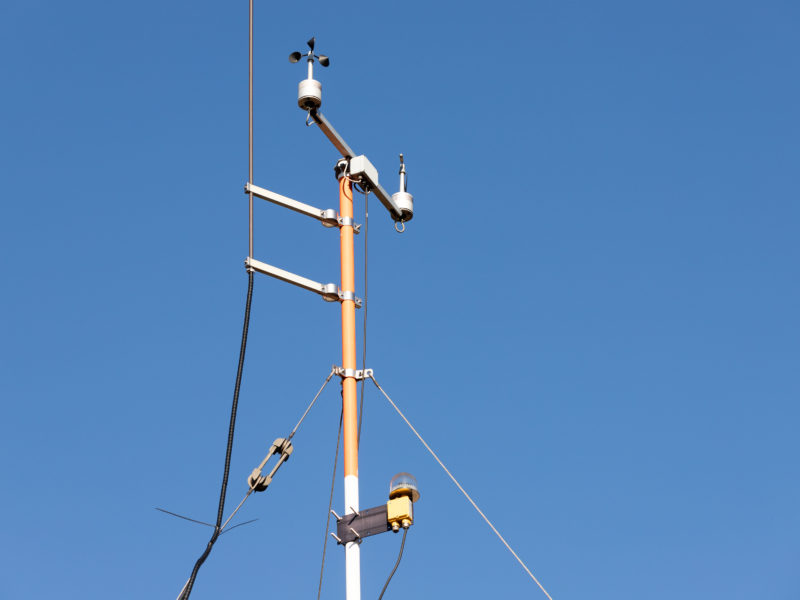
Shane Mullins cranks his neck backwards to see the top of the wind turbine he’s about to climb – a tower specifically for training. While it’s not as tall as the structures that run beside roads and stand parallel in fields, it’s inarguably high. It hits the same altitude as a 10-storey building, about half the height of the Leaning Tower of Pisa.

Project
Virtual, Immersive Learning and Career Labs: The New Normal for Food and Beverage Manufacturers
Food Processing Skills Canada (FPSC) launched the iFood360° pilot project to explore how SMEs with limited resources could use VIL technology to foster growth and enhance workforce skills.
Project
The Autonomous Microfactory: Skills Development Training Program
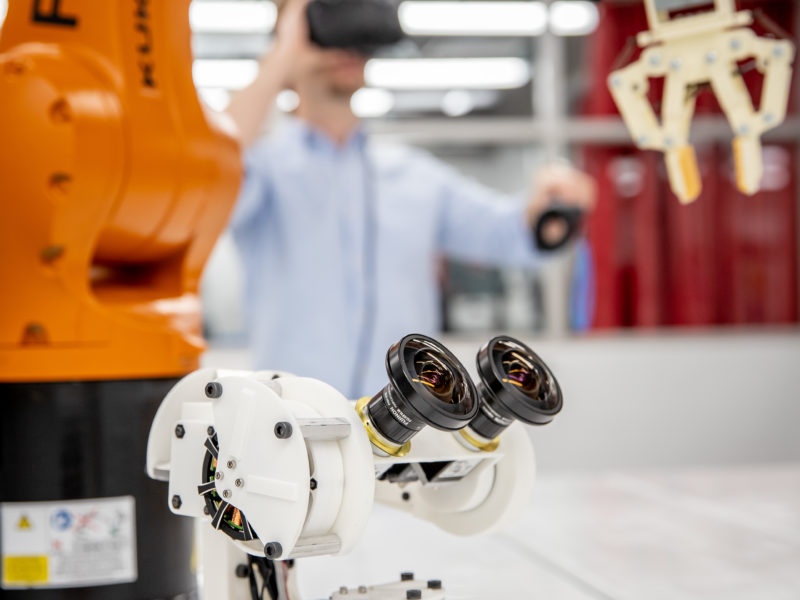
In the early stages of the COVID pandemic, many manufacturing processes had to shut down due to the lockdowns and the need for social distancing. The Creative Technology Lab at Toronto Metropolitan University (TMU)—a microfactory manufacturing model—intended to address these challenges and allow production to continue and adapt.

Project
From Policy to Action: Building Infrastructure for Social and Economic Impact
AnchorTO, established by the City of Toronto in 2015, formed a network with 18 public sector institutions to embed community wealth-building practices into their work, primarily within their procurement strategies.

Project
Mind Your Health
The “Mind Your Health” project, initiated by Not 9 to 5 in Canada, addressed the acute mental health crisis in the hospitality sector.