
Polygon Created with Sketch. Home | Research

From Knives to Knobs: Sustainability and Smart Skills in Meat Value Chains

Smart manufacturing presents meat processors with an opportunity to bolster their sustainability performance, while enhancing quality and productivity. But for meat processors to harness smart manufacturing, their workers need the right skills. This research examines the extent to which smart manufacturing can mitigate high-priority sustainability issues in the meat value chain, while highlighting the worker skills needed to realize its full potential.

What are the dominant social, environmental, and sustainability issues facing meat processors, grocery retailers, and food service retailers? How can smart manufacturing—robotics, automation, and digitization—help meat processors address sustainability issues? What new skills will workers need to develop? What actions do companies need to take to address these issues?

Download Report Button
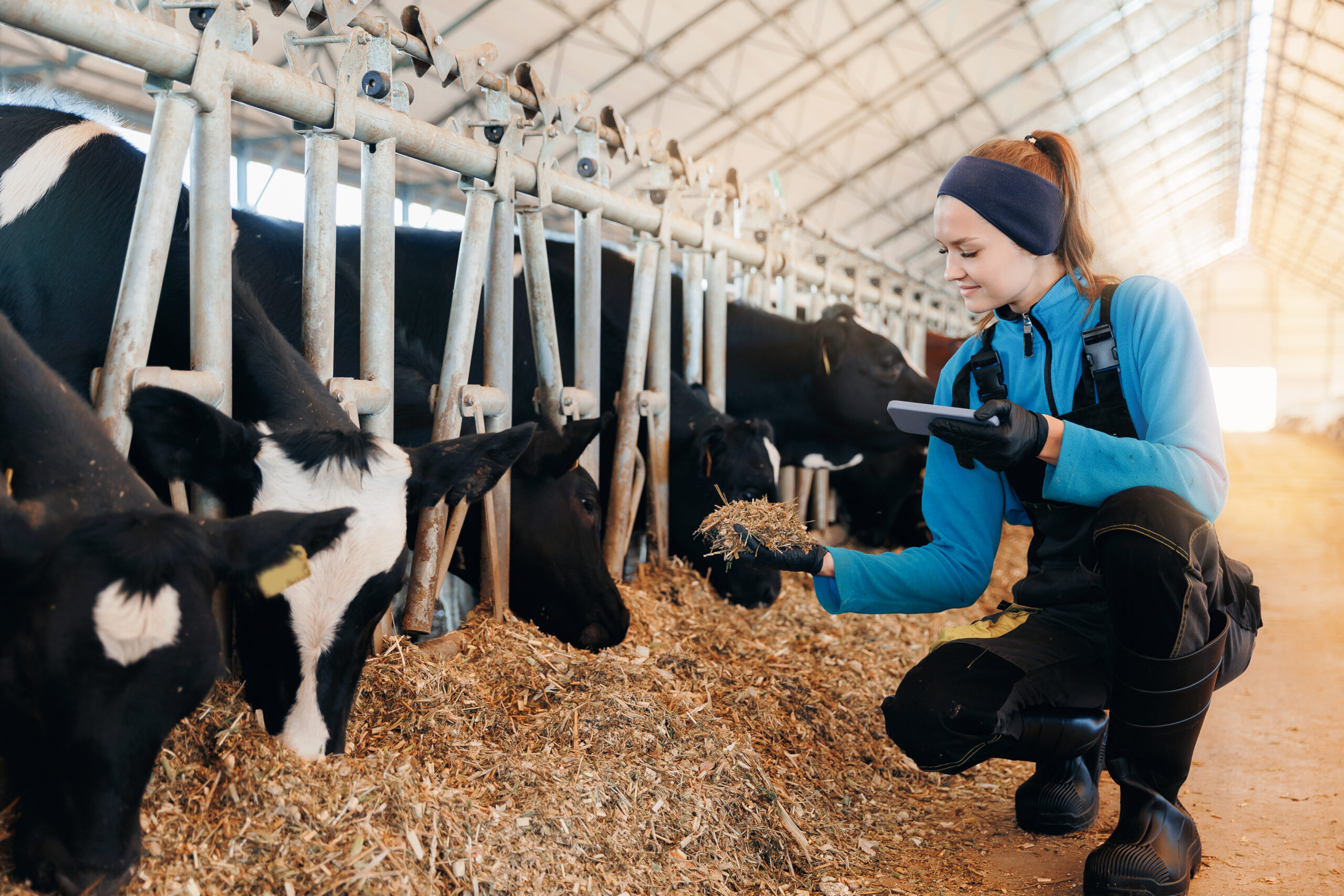
farm worker uses smartphone

More from FSC

Group of diverse businesspeople having a meeting in a modern office at work.
State of Skills

Meeting the Demand for Talent

Building a resilient national talent pool requires a shift from traditional credential-based hiring and training approaches towards skills-first practices and demand-driven training. These efforts must be paired with increased employer investments in training, and the active removal of systemic barriers for equity-deserving groups.
Two women wearing safety glasses standing in a metal workshop, working on metal drilling machine.
Research

Women in Trades: Progress, Barriers and Opportunities

The research addressed three core questions: What is the current state of women’s participation in skilled trades in Canada? What systemic barriers prevent women from entering, completing and advancing in the trades? And what strategies, domestically and internationally, have shown the most promise in addressing these barriers?
Research

Workforce Training in Canadian SMEs: Barriers and Promising Models

This project responds to the need for a clearer understanding of the factors shaping SME upskilling and the conditions under which training investments are more effective.
View all Research