Smart Manufacturing in the Meat Processing Industry
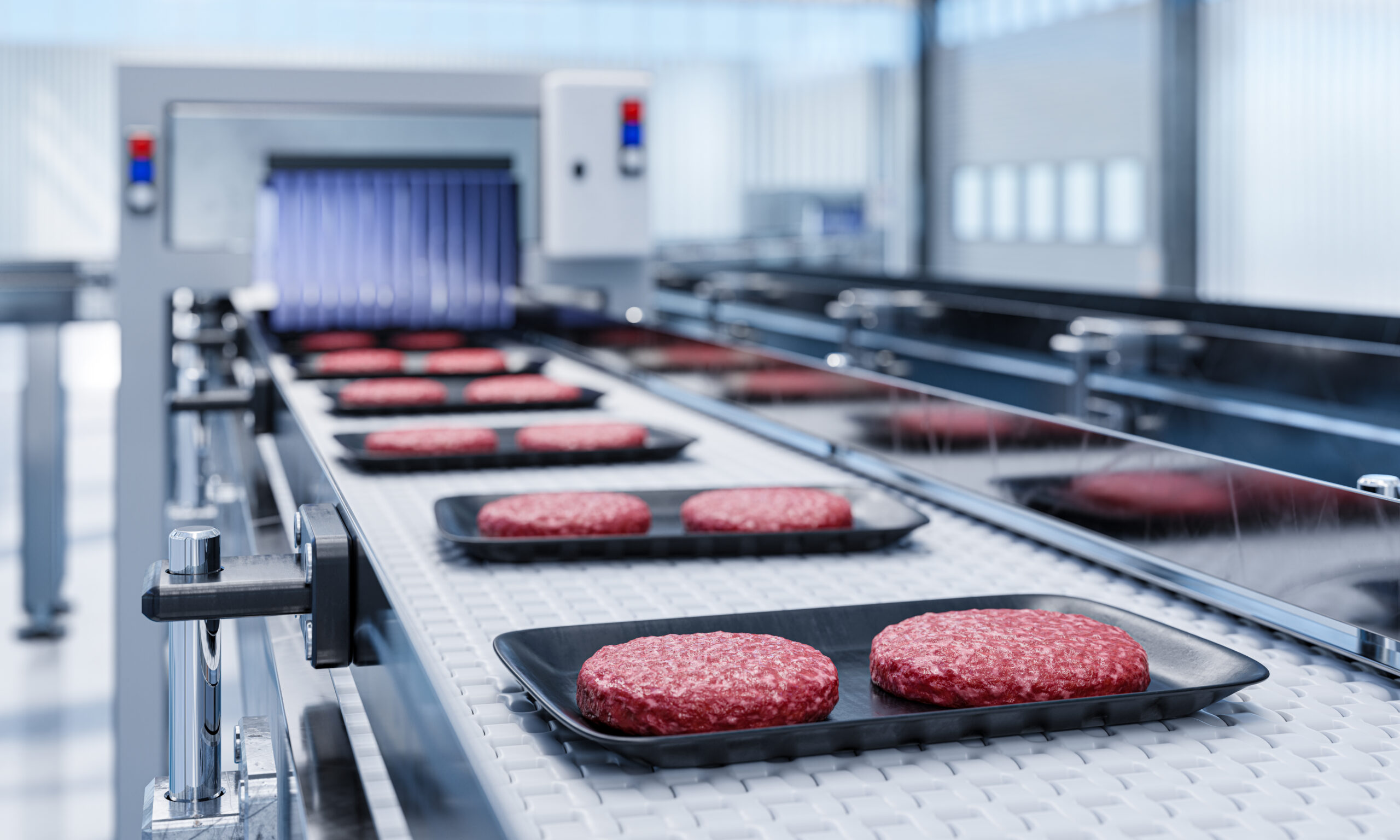
Smart manufacturing in the meat processing industry increases the demand for advanced technical and digital skills, such as robotic operation, control, and maintenance, along with higher levels of education and training including college diplomas and other formal certifications.
What percentage of unit operations in the primary processing of beef can be automated with robots that are at a technology readiness level of 4 and above? Also, what percentage of unit operations in the secondary processing of beef can be robotized? Would smart manufacturing expand the scope of individuals who can work in this industry, creating a more diverse workforce? Would it transform the safety and working environment of those employed in primary beef processing? And what is key to re-shaping the perception of the industry as a challenging work environment?

Key insights
While almost half of unit operations in the primary processing of beef can be automated to some degree, Only a handful of unit operations in the secondary processing (e.g. hand–eye coordination, visual perception, decision-making, and dexterity for gripping and manipulating carcasses) of beef can be robotized as robots have yet to match the proficiency of humans in these areas.
By replacing the physical demands, knife skills, and knowledge of animal anatomy with robots in certain operations, smart manufacturing can expand the scope of individuals who can work in the meat processing industry. As such, it creates opportunities for a more diverse workforce.
To enable the adoption of smart manufacturing, meat processors can upskill their current workforce while pursuing longer-term strategies to attract workers with robotics and digital skills from outside their industry.
More from FSC

Meeting the Demand for Talent
Women in Trades: Progress, Barriers and Opportunities