Driving an inclusive economy
Diversifying workforces is essential to building a stronger economy and continues to be a nearly universal strategy for driving resilience, innovation, and sustainable growth across industries. Still, systemic barriers prevent too many people from accessing opportunity, and there is not enough focus on what strategies actually work to dismantle the longstanding barriers to inclusion.
Progress has been slow
Across Canada, structural inequities in education, training and employment continue to limit participation for many communities. Persistent discrimination, devaluation of international credentials and unequal access to supports mean that equity-deserving groups, including Indigenous Peoples, Black and racialized peoples, newcomers, and youth are often overrepresented in precarious work and underrepresented in high-growth sectors.
Equity is both a value and an advantage
Canada’s prosperity depends on the inclusion of all population groups in the labour market.Canada will need to consider how to attract and retain workers from equity-deserving groups who bring a diversity of skills and experiences and can support a strong economy as the workforce shrinks. Improving equity and inclusion is good business. The McKinsey Global Institute found that efforts to improve gender equality alone could increase Canada’s economy by as much as $150 billion. While there are a range of resources available to tackle the problem, more needs to be done to spread knowledge about effective practices.
Key Insights
40% of racialized employees experience race-based discrimination in the workplace in Canada.
Improving equity and inclusion is also good business. Improving gender equality alone could increase Canada’s economy by as much as $150 billion.
Racialized people account for 10.5% of boards of directors and 8.6% of senior managers across some of Canada’s largest cities - a fraction of their representation in the Canadian population (21.9%).

Leveraging the skills of newcomers
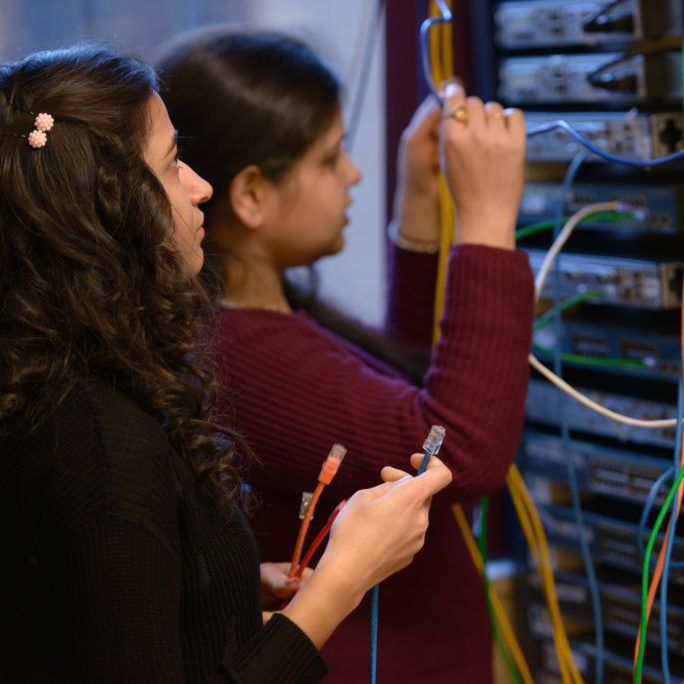
Helping youth bridge the school-to-work transition
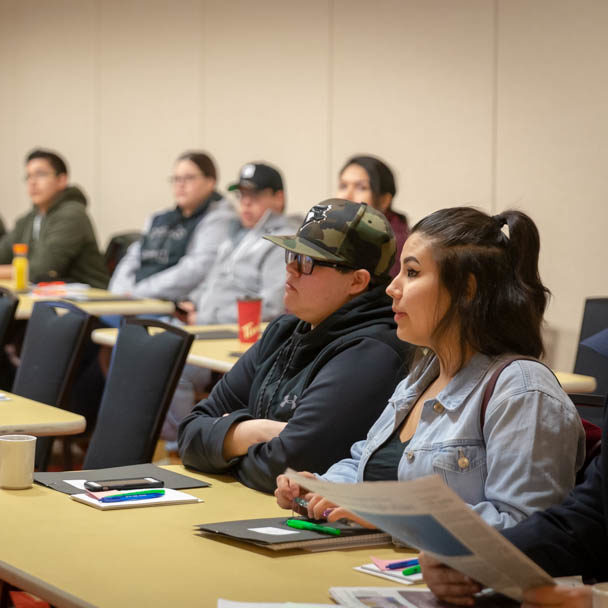
Centering Indigenous autonomy for sustainable economic development

Highlights of our impact
The Future Skills Centre is advancing inclusive, evidence-driven approaches to workforce development that centre the experiences and leadership of underrepresented groups. Through collaboration with Black youth, newcomers, Indigenous communities, and partners in Northern regions, we’re identifying what works to remove systemic barriers and ensure all workers can thrive in a changing economy.
We’re also helping to expand wraparound supports — such as mentorship, accessible learning environments, and culturally responsive programs — that address the social and structural factors affecting success in education and employment.
We are advancing a clearer understanding of how systemic barriers operate—and supporting inclusive, evidence-based approaches that improve labour market outcomes for all Canadians, but with a particular focus on Black youth, newcomers, and Indigenous Peoples and those in Northern communities.
Using evidence to drive change
Our State of Skills report series synthesizes lessons we’re learning from our pilot projects and research on how to drive inclusive growth, showcasing the solutions that expand opportunity, strengthen belonging and create fairer outcomes in Canada’s labour market.
Key questions we’re investigating
- What are the most effective approaches for integrating wraparound services in skill-based programs for equity-seeking groups?
- How can skills-based programs best accommodate the need to involve communities served by the programs?
- What approaches are most effective in educating and engaging employers in adopting more equitable hiring practices and integrating diversity, inclusion and reconciliation in the workplace?
- What works and in what context to improve labour market outcomes for Black youth?
- How can we incentivize and support more employers to change their HR practices to recognize newcomer skills and support their growth?
- What new forms of skills development can equip Indigenous Peoples to take advantage of regional and local economic opportunities that align with their visions of livelihood?
Learn more about our work focused on an inclusive economy
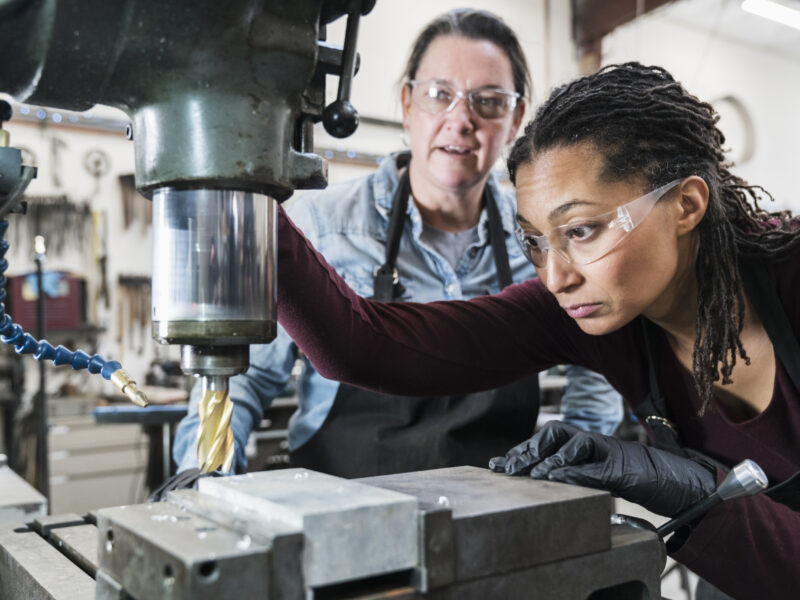
Women in Trades: Progress, Barriers and Opportunities

Pathways to Financing: Journeys of Successful Black Entrepreneurs