

Across Canada

In the Media
Upskilling Canada’s workers and ensuring a resilient workforce: Q&A with Noel Baldwin at the Future Skills Centre
In a Q&A interview, Baldwin talked with Research Money’s managing editor Mark Lowey about: how Canadian workers can keep upskilling in the face of automation and rapid technological change; how young people can gain the right skills in finding employment; the value of formal and information education and work-integrated learning; how government can help workers who need transition in their careers; Canada’s labour market strengths; and the aim of FSC’s recently launched Resilient Workforce Working Table.
Initiatives
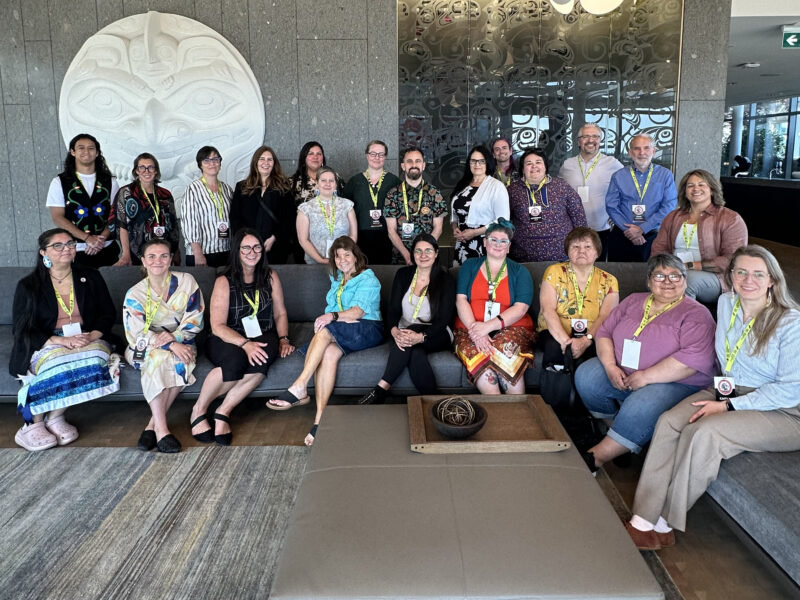
2025 ISET Event Report
From May 22-23, 2025, the Future Skills Centre, in partnership with Jelly Academy Inc. co-hosted an in-person, two-day Innovative Indigenous Career and Future Skills Symposium.

Research
Reimagining Career Services
RCS set out to test new models for career and employment services that respond to the needs of workers, employers, and practitioners in a rapidly changing labour market. Rather than a single intervention, RCS operates as a portfolio of innovation projects co-designed with service partners and piloted in real-world settings.

Podcast
Investing Skills to Improve Profitability and Sustainability
In this episode of The Finance Cafe Podcast, host Shannon Pestun welcomes Laura McDonough, Associate Director of Insights & Knowledge Mobilization at the Future Skills Centre. Laura leads national research and knowledge-sharing efforts that help shape evidence-informed policy and practice across Canada’s skills ecosystem. With a background in research and evaluation at United Way Greater Toronto and a deep commitment to making data accessible and actionable, Laura brings a unique lens that bridges research, lived experience, and real-world workforce development.

Project
Career Development Professional Centre
The Career Development Professional Centre (CDPC), led by the Canadian Career Development Foundation (CCDF), is testing the effectiveness of a national body to unify Canada's career development sector by providing foundational training, fostering professionalization, and encouraging collaboration among Career Development Professionals (CDPs).

Research
Creating Their Own Path: Unlocking Self-Employment for Neurodivergent Canadians
Automation technologies present Canadian businesses with opportunities for improved productivity, labour efficiencies, and growth. Adopting automation technologies will change how industries operate, including the types of jobs and skills needed.

Research
National Survey on Skill Demands and Employment Practices in Small and Medium-Sized Enterprises
Our research draws on first-hand experiences to better understand specific labour-related challenges facing SMEs.

Event
FSC at Symposium 2026 of RDÉE Canada
We’re pleased to share that Alex Stephens, Director of Programs at the Future Skills Centre, will be presenting at the Symposium 2026 du RDÉE Canada on January 28–29.
Blog
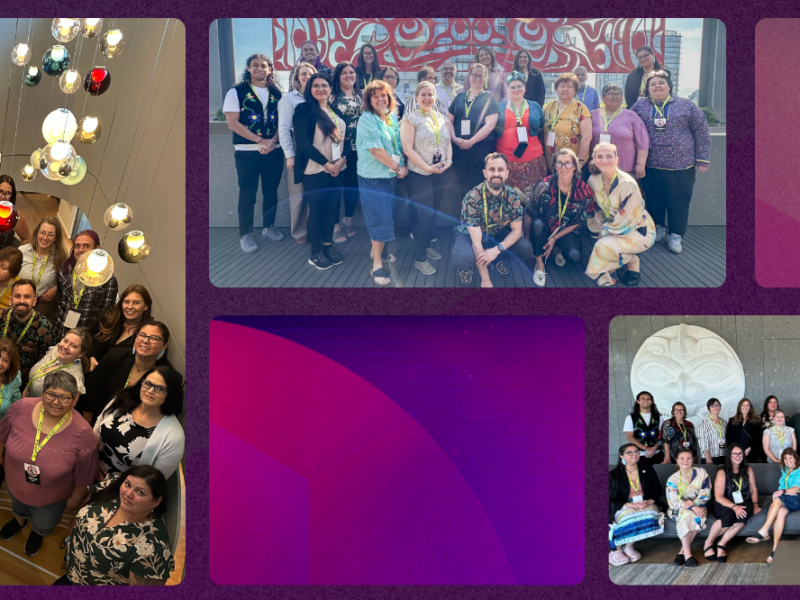
Walking the Talk: Reflections on Relationship-Building in Indigenous Workforce Development
The ISET Symposium reinforced that relationship-building between Indigenous and non-Indigenous partners is not a one-time activity or a short-term objective. It is an ongoing responsibility that requires humility, reflection, and sustained commitment, with Indigenous partners setting the pace and direction of the work.