

Skilled Trades

In the Media
Canada’s need for skilled trades workers will far outstrip boost from Ottawa’s new plan
A mix of retirements and projected economic growth mean Canada will need more than 1.4 million additional trades workers by 2033, Prime Minister Mark Carney said Wednesday, as he touted the new program at a trade union event in Gatineau.

 April 30, 2026
 32 minutes
Podcast
Season 6 | Episode 1
A Future Built on Skills
In this episode of the Future Skills Podcast, we tee up the new season by diving into Canada’s hinge moment for talent, productivity, and resilience...
Featuring: Jeremy Strachan, The Honourable Patty Hajdu, Noel Baldwin, J.P. Giroux, Wendy Cukier

In the Media
Tricia Williams discusses Skilled Trades on The Current with Matt Galloway
The federal government wants to address worker shortages in the skilled trades. At the spring economic update they announced a 5 year plan -- worth 6 billion dollars -- to help recruit, train and hire young people into the skilled trades

Research
Fuelling Our Future: Talent and Technology in Canada’s Mining and Oil & Gas Industries
Our research will provide essential insights to help industries, post‐secondary institutions, and policy-makers strengthen workforce resilience, close skills gaps, and position Canada’s mining and oil & gas sectors for long-term success in the face of uncertainty.

Research
From Newcomers to Game Changers: Immigrant Skill Utilization in the Construction Sector
Drawing on Labour Force Survey data from 2022 to 2024, we examined how well immigrants’ skills are utilized in Canada’s construction sector.

In the Media
FSC launches $5.5M ‘Replicate’ to scale proven trades training programs across Canada
With Canada facing a pending labour shortage — particularly in construction and the skilled trades — a new national initiative aims to accelerate solutions by expanding programs that have already proven successful.

Research
The Demand for Green Skills and the Impact on the Supply and Demand for Apprentices and Certified Journeypersons in the Canadian Economy
Canada’s transition to a net-zero economy is transforming the nature of work in the skilled trades. As industries such as energy, construction, manufacturing, and transportation, adopt cleaner technologies, the demand for certified tradespeople is sharply increasing.
Research
Skills for Infrastructure Innovation
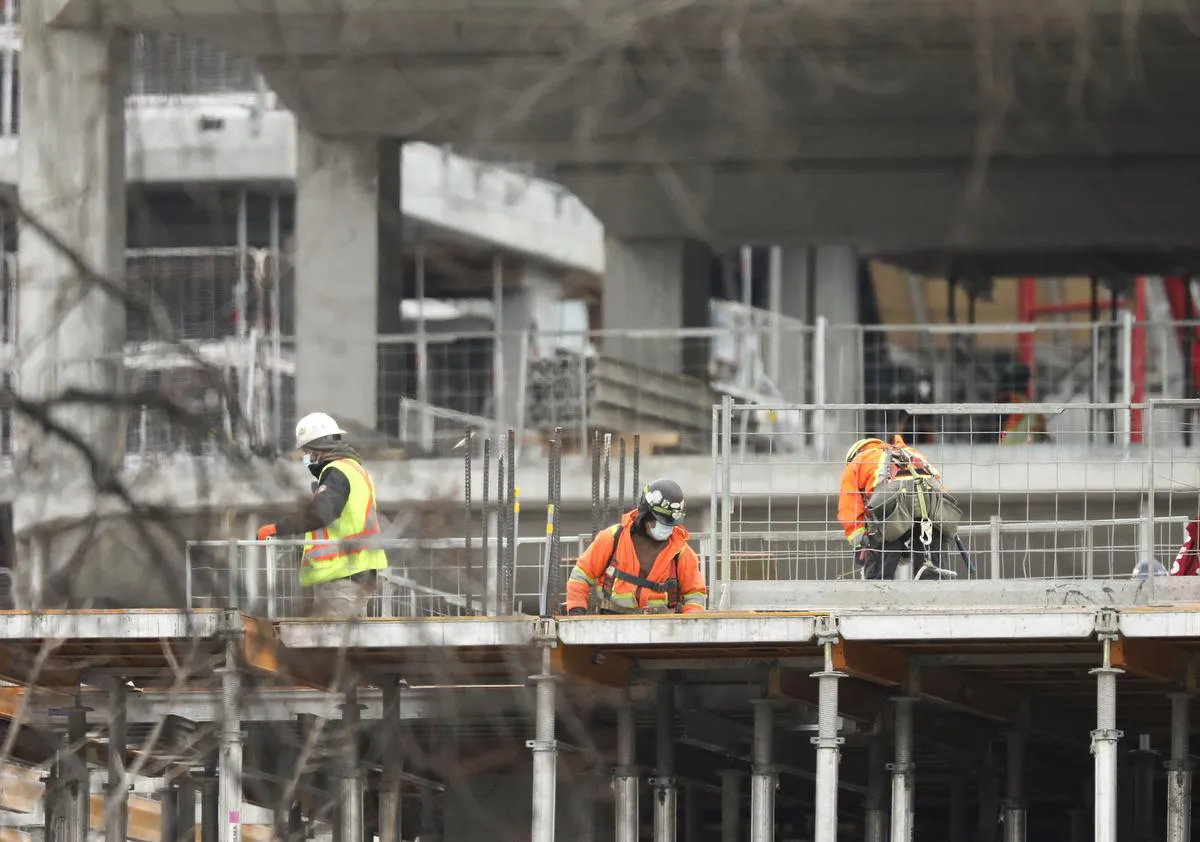
This report examines global and Canadian infrastructure trends, highlights innovative practices (e.g., digitalization, green construction, modular methods, regulatory reforms) and analyzes the implications for the workforce and skills required in the coming years.

Research
Skilled Trades and Entrepreneurship: The Need for Business Competencies
This report set out to explore two questions: 1) To what extent should entrepreneurship be recognized as a critical dimension of the skilled trades, and 2) which competencies are most essential for entrepreneurs in the skilled trades to succeed?