

Sectors
Labour market trends such as technology, shifting demographics and climate change are leading to rapid change in key sectors of our economy. Workers and employers will require support from the skills ecosystem to successfully manage these transitions.

Research
Powering AI: A Workforce Perspective
This research project by the Electricity Human Resources Council (EHRC) sought to understand how AI is being adopted across Canada’s electricity sector and the implications for workers. Two fundamental research questions guided this project.

Research
Decarbonization Pathways for the Green Building Workforce
This project assessed the economic, environmental, and social contributions of Canada’s green building sector, with a particular focus on growth potential, decarbonization pathways, and workforce implications.

Research
Training to Retain: Strengthening the Role of Indigenous Community Health Workers
Despite their critical role, Indigenous community health workers are often insufficiently supported, and there are not enough community health workers in Indigenous communities in Canada to meet healthcare needs. This research responds to the Truth and Reconciliation Commission’s 94 Calls to Action by examining how Indigenous community health workers can be better supported, retained, and equipped to serve their communities.

Project
Inshore Fishery Development in the Qikiqtani Region of Nunavut
The Qikiqtani Region of Nunavut faces both significant opportunity and structural challenges as it seeks to expand community-based inshore fisheries. With isolated communities and a rapidly growing youth population, Qikiqtaaluk Corporation (QC) has prioritized creating accessible pathways into fisheries-related careers through hands-on learning, training, and internships.

Project
Building Resiliency and Sustainability for the Bio-Economy to Withstand Disruption
Led by BioTalent Canada, the two phases of this project tackled pressing issues faced by the Canadian bio-economy amid the COVID-19 pandemic and the development of a National Skills Standard for Cleanroom Readiness.
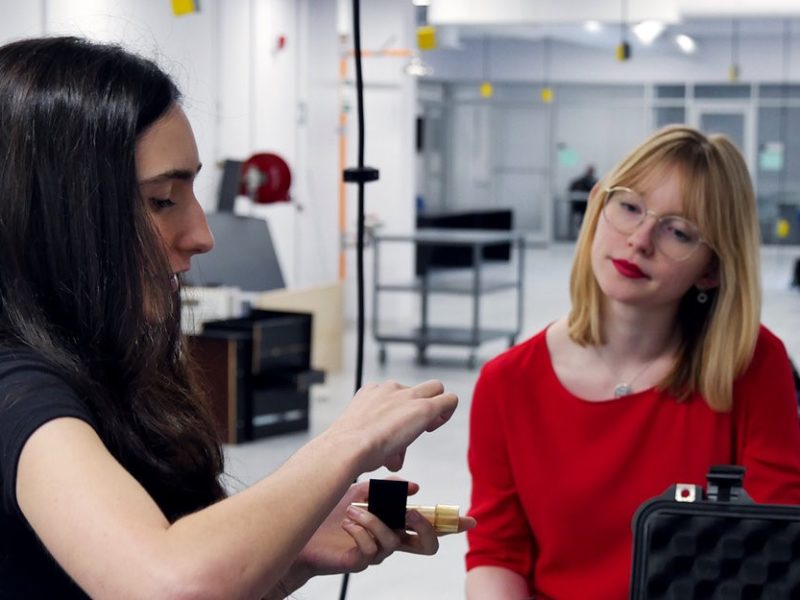
Project
MindFrame Connect: Developing Canada's Resilient, High-Growth Entrepreneurs
Research shows that women and racialized entrepreneurs are often disadvantaged from a network perspective, underlining the need to foster a more inclusive entrepreneurial ecosystem that includes mentoring.

Research
From Jobs to Journeys: Rethinking How Canada Forecasts Skills Supply
Canadian organizations are navigating rapid labour and technology transitions—
automation, demographic aging, digitalization, and shifting educational pathways. Yet our core tools for forecasting skills supply are outdated.

Research
From Newcomers to Game Changers: A Scorecard for Immigrant Skill Utilization
Canada has long prioritized selecting highly skilled and educated immigrants for permanent residency. Yet once they arrive, many find themselves unemployed or working below their qualification level.

Research
Level Up: Shaping the Future of Learning and Development in Canada
Automation, digital tools, and new work models continue to reshape jobs across every sector, and employees need access to high quality learning opportunities to keep pace.