

Project Insights Report
Dual‑Use Defence in Canada: Opportunities for Small and Medium-Sized Enterprises
 Partners
 Locations
Across Canada
 Published
November 2026
 Contributors
Authors: Wendy Cukier, Simon Blanchette

Dual‑Use Defence in Canada: Opportunities for SMEs
 Executive Summary
Canada’s Defence Industrial Strategy aims to transform national security, strengthen the domestic economy, and prioritize commercial and dual-use technologies. Expanding defence investments create opportunities for small and medium-sized enterprises (SMEs) in sectors beyond traditional defence. Firms can enter through infrastructure projects, supply chains, services, technology partnerships or direct government contracts. Many bring civilian capabilities that can serve a defence or security need.
A viable market opportunity requires a credible use case, an identifiable customer and a route to demand through procurement or a supply chain. Firms then face barriers regarding awareness, market fit, security and compliance, financing, procurement and scale. Additionally, many of the costs to pursue those opportunities arise before revenue is secure.
Skills and organizational capacity are central to participation. SMEs need support matched to their stage of development, sector, location and ownership or leadership context. This report recommends connected support across market intelligence, organizational readiness, skills, finance, advisory services, procurement and export development. Together with inclusive outreach and outcome measurement, this will enable SMEs to more effectively benefit from those opportunities while also obtaining support from existing programs.
Key Insights
 SMEs already make up roughly 92% of Canada’s defence industrial base and 40% of its employment. Many businesses with relevant capabilities do not see themselves as defence firms.
 A viable market opportunity requires a credible defence use case, an identifiable customer and a clear route to demand. A potential application can lack a customer, procurement timeline or supply-chain pathway.
 Barriers compound from awareness to recurring revenue. Firms require different support at each stage, and gaps in capital, information, networks and infrastructure raise entry costs for equity-deserving, Indigenous and Northern businesses.
 The Issue
Canada is entering a period of major defence and dual-use investment to catch up on recent underinvestment. The Defence Industrial Strategy is expected to unlock access to more than $180 billion in defence procurement opportunities and $290 billion in defence-related capital investment opportunities over the next decade, and this spending will create increased demand for technologies, infrastructure and services that serve both civilian and defence needs.
This could be a critical opportunity for SMEs, especially as they already make up roughly 92% of Canada’s defence industrial base and 40% of its employment, but they currently capture only about 30% of industry revenue. Moreover, many firms with relevant capabilities do not know whether defence is relevant to them, lack awareness of where demand exists, or know how to pursue opportunities. Some organizations may participate through prime-contractor supply chains, infrastructure projects, sustainment contracts, partnerships and service delivery. Direct federal procurement is also one of the routes.
The road can be complicated as SMEs must identify a credible defence use case, meet applicable security demands, cybersecurity and compliance requirements, and finance preparation, while also having to navigate long, complex procurement processes. The process can involve security screening, cybersecurity upgrades, testing, documentation, facilities and specialist support, all of which must occur before revenue is secured.
Additionally, women-owned, Indigenous-owned, racialized, immigrant-owned, Northern and rural SMEs can face additional gaps in capital, information, networks and infrastructure. Our report assesses the barriers, skills and supports required for SMEs to participate in this expanding economy.

 What We Investigated
Our research examined how Canada’s expanding defence and dual-use economy can create opportunities for SMEs, including businesses outside traditional defence. It mapped capability areas where civilian products, services, infrastructure and expertise may serve defence or security needs, and it considered market paths through direct procurement, supply chains, infrastructure projects, partnerships and sustainment. The research looked at whether SMEs can turn an existing product, service or capability into a real opportunity to sell to the defence market. It examined whether the product or service meets a clear defence need, who might buy it and how the firm could reach that customer.
We also assessed the barriers that arise as firms move from initial interest to recurring revenue, including awareness, market fit, readiness, financing and procurement. We also mapped selected programs and ecosystem organizations that help SMEs access financing, procurement and supply-chain links, compliance support, skills development and export markets. The analysis considered how firm needs and available supports vary by stage, sector, location and ownership or leadership demographics.
 What We’re Learning
Canada’s growing defence spending can create work for businesses well beyond traditional defence contractors. A business in construction, health, logistics, manufacturing or technology may very well have a product or service that meets a defence need. Therefore, the first question is practical: does the business have a product, service or skill that solves a real problem for the military, a larger defence supplier or another defence customer? The business also needs a clear way to reach that customer.
Many organizations do not reach that point because they cannot see what defence needs or where to start. They have to find opportunities, meet security and cybersecurity rules, pay for preparation, and work through lengthy purchasing processes. This work costs money before there is a contract, and a delay in one step makes the next step more expensive and risky, which is not something most SMEs can afford.
Support also has to match the firm’s position, especially as a business exploring the market needs information and help deciding where it fits. For instance, a business preparing to bid may need help meeting requirements, finding and accessing financing, as well as preparing a proposal. A business with a contract will need other things, including workers, increased production capacity and export support. Canada has programs and organizations that provide these forms of help, but organizations still need help finding the right supports and using them together. This is even more important for many equity-deserving, Indigenous and Northern businesses as they face compounded barriers.
 Why It Matters
Canada is making large new investments in defence, and we need to ensure that SMEs receive a fair share of this. They already account for roughly 92% of Canada’s defence industrial base and 40% of its employment, but only capture 30% of industry revenue. The central question is whether new spending helps more small businesses participate, including firms that do not already see themselves as defence suppliers.
Firms that already know the defence market have a head start. Clear entry points and practical support can help businesses from civilian sectors decide whether they fit and move forward. A firm exploring a possible opportunity is in a different position from a manufacturer preparing to expand production. Their support needs will differ as well.
Entering the market can require finance, training, technical expertise, help with government purchasing and access to customers at the same time. A small firm cannot be expected to piece all of this together alone. Programs need to connect those supports into a clear path that firms can follow.
Those barriers are greater for many equity-deserving, Indigenous and Northern businesses, which face deeper gaps in capital, information, networks and infrastructure. Targeted outreach and support are needed if they are to participate. Tracking who receives contracts, financing and training will show whether new defence spending is widening opportunity across regions and communities.
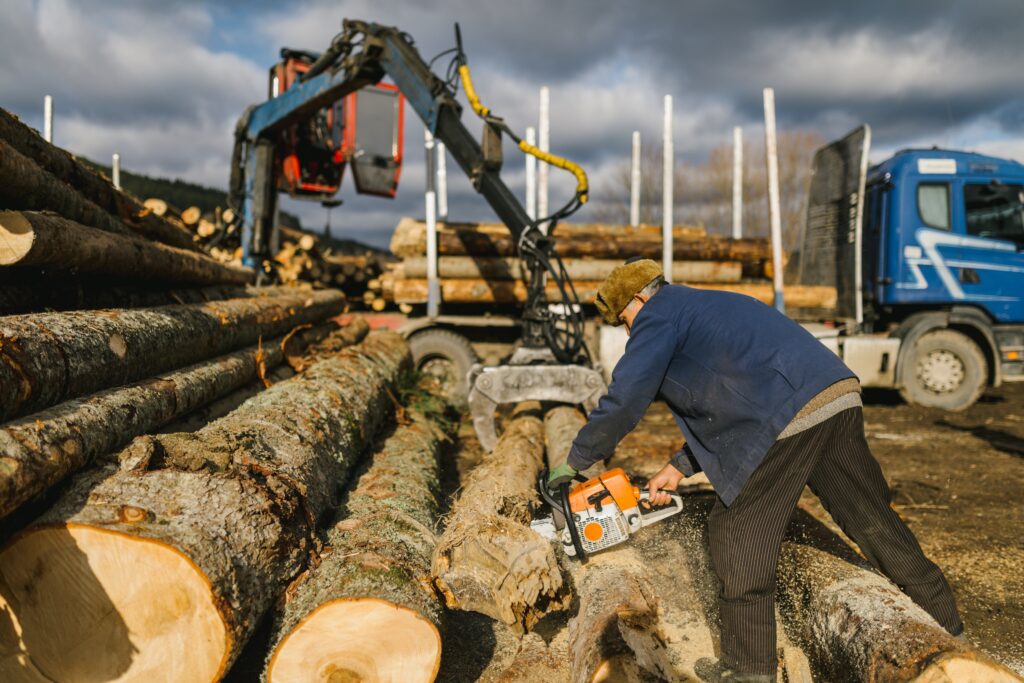
State of Skills:
Supporting Indigenous and Northern Entrepreneurship and SMEs
Indigenous and Northern entrepreneurship and businesses play a crucial role in bolstering local economies by supporting economic diversification, job creation and community development.
 What’s Next
The recommendations point to the next areas of work: improve visibility of opportunities, create clearer stage-based pathways, connect financing with readiness and growth, build practical skills and capacity, support export readiness, and measure who benefits.
More from FSC

Linking Skills to Employment in Inuit Nunangat

Energy to Digital Growth Education and Upskilling Project

Building Inclusive Workplaces
Have questions about our work? Do you need access to a report in English or French? Please contact communications@fsc-ccf.ca.
How to Cite This Report
Cukier, W., Blanchette, S. (2026) Project Insights Report: Dual‑Use Defence in Canada: Opportunities for SMEs. Toronto: Future Skills Centre. https://fsc-ccf.ca/research/dualuse-defence-smes/

Dual‑Use Defence in Canada: Opportunities for Small and Medium-Sized Enterprises is funded by the Government of Canada’s Future Skills Program. The opinions and interpretations in this publication are those of the author and do not necessarily reflect those of the Government of Canada.