

Skilled Trades

In the Media
FSC launches $5.5M ‘Replicate’ to scale proven trades training programs across Canada
With Canada facing a pending labour shortage — particularly in construction and the skilled trades — a new national initiative aims to accelerate solutions by expanding programs that have already proven successful.

Research
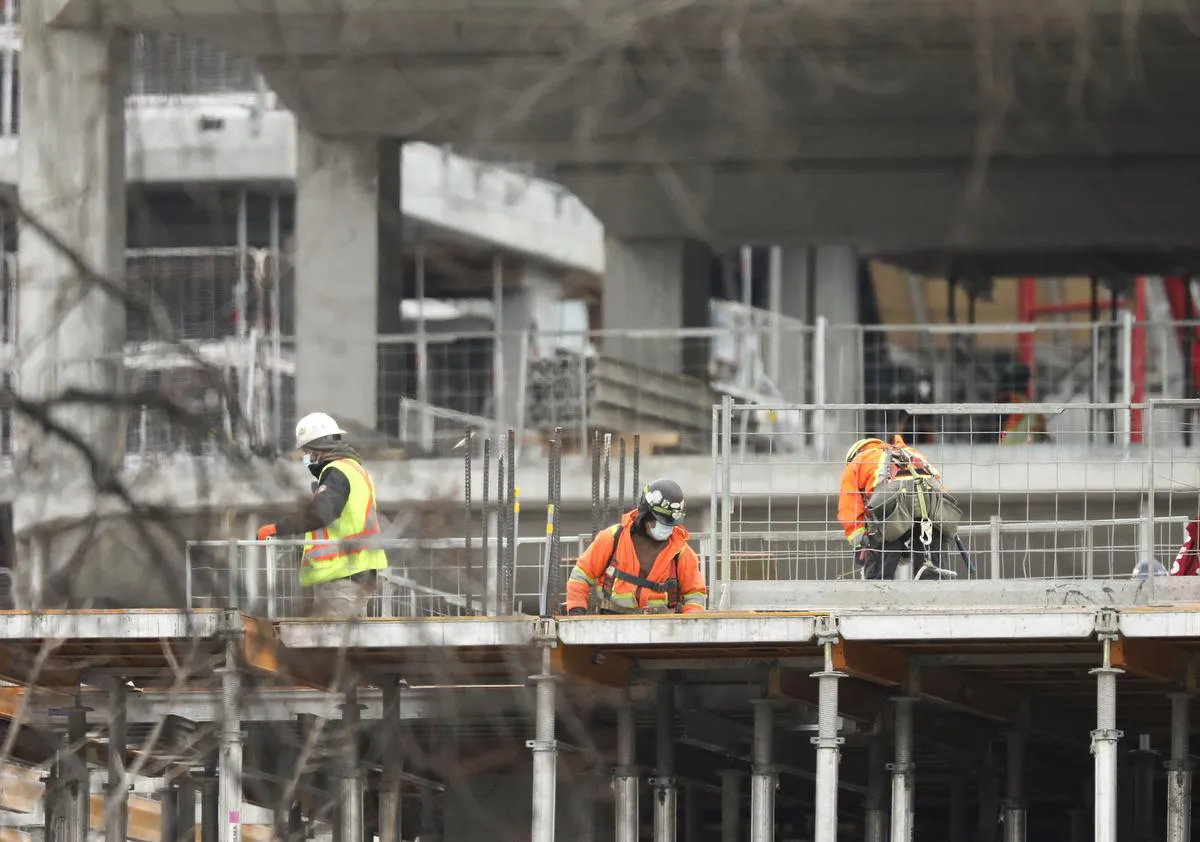
The Demand for Green Skills and the Impact on the Supply and Demand for Apprentices and Certified Journeypersons in the Canadian Economy
Canada’s transition to a net-zero economy is transforming the nature of work in the skilled trades. As industries such as energy, construction, manufacturing, and transportation, adopt cleaner technologies, the demand for certified tradespeople is sharply increasing.
Research
Skills for Infrastructure Innovation
This report examines global and Canadian infrastructure trends, highlights innovative practices (e.g., digitalization, green construction, modular methods, regulatory reforms) and analyzes the implications for the workforce and skills required in the coming years.

Research
Skilled Trades and Entrepreneurship: The Need for Business Competencies
This report set out to explore two questions: 1) To what extent should entrepreneurship be recognized as a critical dimension of the skilled trades, and 2) which competencies are most essential for entrepreneurs in the skilled trades to succeed?

Project
Leveraging Technology to Develop Modern Mining Skills
The Leveraging Technology to Develop Modern Mining Skills project, led by NORCAT with support from the Future Skills Centre, explored the potential for augmented reality and virtual reality to address labour and safety challenges in mining and construction. By incorporating simulations into core training programs, the project aimed to provide safer, more accessible practice environments for new workers while testing whether immersive tools could improve learning outcomes.

State of Skills
Resilient by Design: The Skills Canadians Need Now and for the Future
To build a resilient workforce that is able to respond to and adapt to changing labour markets, whether due to unpredictable disruptions or longer-term transitions, we need a range of training and upskilling pathways that equip people with the skills they need to enter, advance, transition and return to dynamic labour markets.

Research
Perceptions of Trades Training Gaining Traction over University
Canada faces a shortage of workers in the skilled trades, resulting in part from persistent labour-market demand driven by activity in construction, manufacturing, transportation and...
Research
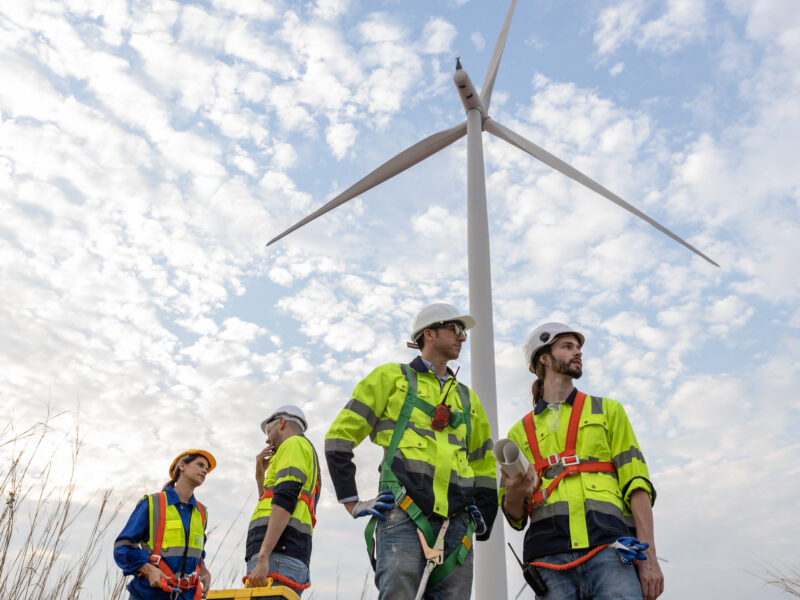
Emissions Reduction and Demand for Skilled Trades
Canada’s push to meet its climate targets will reshape both the construction sector and the broader demand for skilled trades. If policies outlined in the 2030 Emissions Reduction Plan (ERP) continue to take effect, demand for skilled trades in construction and supporting sectors (e.g., rail) will shift dramatically, driven by new sustainability standards, infrastructure priorities, and green technology advancements.
Project
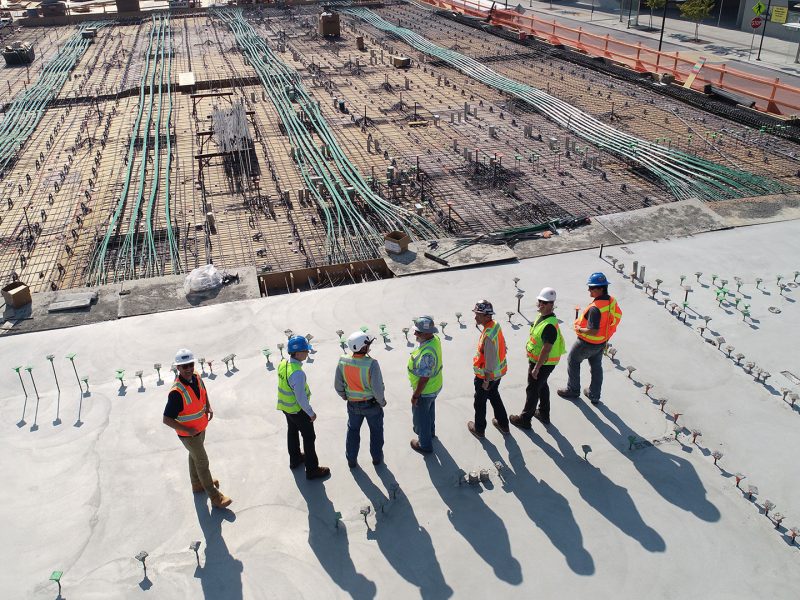
Enhancing a National Recruitment System for the Unionized Construction Industry
This project’s overall goal was to design and test virtual strategies to recruit more individuals, especially those from underrepresented groups (women, Indigenous Peoples, racialized people, newcomers and youth), to careers in the construction trades.