

British Columbia

Research
International Students’ Transition to Work
International college students tend to have poorer employment outcomes than their Canadian-born peers. Except for those in STEM fields, international college graduates earn 15 to 23 percent less after graduation. They face multiple labour market barriers, including challenges with networking, language, discrimination, and job interviews.

Project
Upskilling Canadians for In-Demand Tech Careers
NPower Canada’s programs aim to provide unemployed and underemployed individuals from equity-deserving groups with the skills needed to launch meaningful digital careers.

Project
Virtual, Immersive Learning and Career Labs: The New Normal for Food and Beverage Manufacturers
Food Processing Skills Canada (FPSC) launched the iFood360° pilot project to explore how SMEs with limited resources could use VIL technology to foster growth and enhance workforce skills.

Project
Northern Entrepreneurs Accessing Training (NEAT)
Contact North implemented the Northern Entrepreneurs Accessing Training (NEAT) project to improve accessibility to skills training for Indigenous entrepreneurs and their employees.
Project
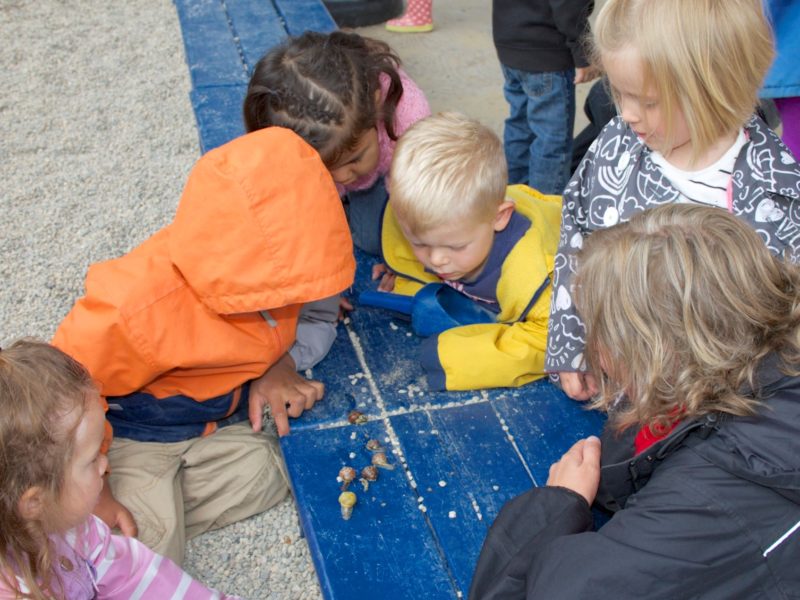
Learning Outside Together: Incorporating Traditional Wisdom and Promising Practices to Futureproof Childcare Programs
In this project, Early Childhood Educators of British Columbia (ECEBC) sought to mitigate the risk of COVID-19, all the while promoting newer types of outdoor learning that specifically blended traditional Indigenous and Western knowledge systems.

Project
Skills Match — The Energy Fit
The Skills Match—The Energy Fit project had the broad goal of addressing the skills gap in Canada’s energy industry by using innovative tools, namely virtual reality (VR) technology and an interactive website, to facilitate career transitions.

Project
Fisheries for Economic and Environmental Development in the North (FEED the North)
The FEED the North project, spearheaded by the Ocean Wise Conservation Association, targeted economic and environmental challenges in Nunavut, which were intensified by the COVID-19 pandemic and by climate change. This initiative aimed to merge traditional Inuit knowledge with Western science, enhancing sustainability in local fisheries and bridging Indigenous and Western environmental conservation methods.

Project
Assessing and Developing Workplace Employability Skills with ESAT
This multi-phase research project examined how the Employability Skills Assessment Tool (ESAT), digital tool developed by Futureworx to assess and strengthen adults’ social and emotional skills (SES), is implemented, how it supports participant and staff outcomes, and what evidence is required to evaluate its causal impact.
Project
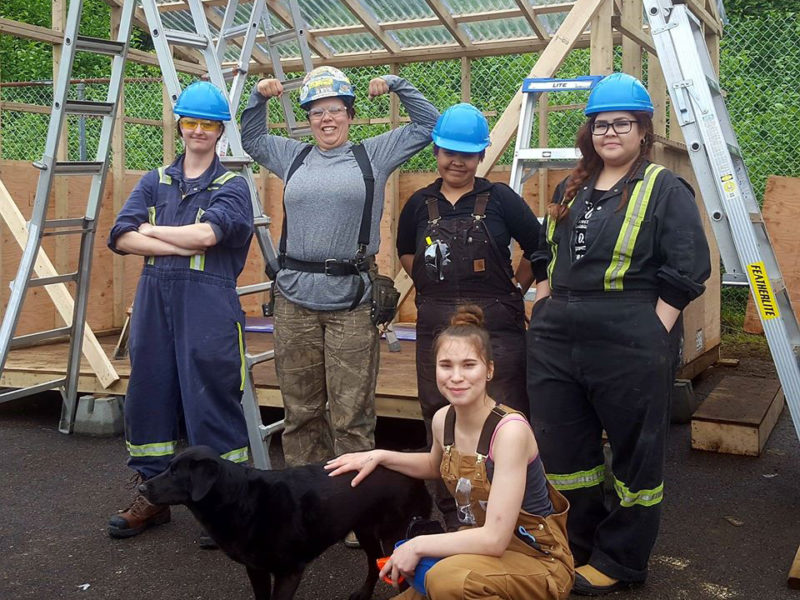
North Coast Skills Hub
The Hecate Strait Employment Development Society (HSEDS) developed WorkLabNorth, an online career development and training platform tailored to rural and remote communities in Northwest British Columbia.