

Indigenous Peoples
Research
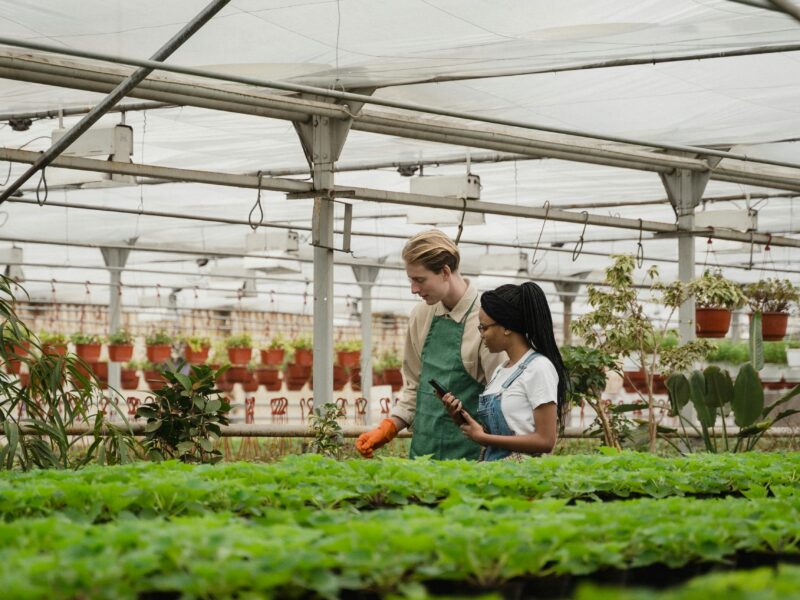
Mapping Food Sustainability in Canada
We mapped the current ecosystem of food sustainability initiatives and sought to collect and compile the current coverage of food sustainability programs in Canada. We analyzed what training programs offer, if any, as well as the targeted interventions for Indigenous Peoples and equity-deserving groups.

Research
Indigenous Community Health Workers in Canada
In this analysis we draw on Statistics Canada data to make this hidden yet essential workforce more visible. We highlight where Indigenous community health workers are located, describe the job settings in which they work, and profile their educational backgrounds.

Research
Indigenous Peoples in the Workplace: AI, Employment and Training
This report aims to address the knowledge gap by answering the following research question: How do Indigenous People's experiences in the workplace differ from the general population?

Research
Competitiveness of Critical Mining in the North
This research project examined how Canada can advance critical mineral development while respecting Indigenous rights, values, and self-determination. Using expert interviews and a case study with the Cree Nation of Eeyou Istchee, the study identified key enablers and barriers to equitable participation for Indigenous nations.

Research
Advancing Fair Chance Opportunities for Justice-Involved Individuals: A Strategic Intervention with Employers
This project examined how employers across six major Canadian industries assess and make hiring decisions about applicants with criminal records, and what factors shape barriers and opportunities for fair chance hiring.

Project
Invest Talent: Building Metro Vancouver’s Workforce Hub
The Invest Talent pilot was designed and implemented to test a demand-driven approach to regional workforce development rather than building training programs around available supply.

Research
Training to Retain: Strengthening the Role of Indigenous Community Health Workers
Despite their critical role, Indigenous community health workers are often insufficiently supported, and there are not enough community health workers in Indigenous communities in Canada to meet healthcare needs. This research responds to the Truth and Reconciliation Commission’s 94 Calls to Action by examining how Indigenous community health workers can be better supported, retained, and equipped to serve their communities.

Project
Inshore Fishery Development in the Qikiqtani Region of Nunavut
The Qikiqtani Region of Nunavut faces both significant opportunity and structural challenges as it seeks to expand community-based inshore fisheries. With isolated communities and a rapidly growing youth population, Qikiqtaaluk Corporation (QC) has prioritized creating accessible pathways into fisheries-related careers through hands-on learning, training, and internships.

Project
MindFrame Connect: Developing Canada's Resilient, High-Growth Entrepreneurs
Research shows that women and racialized entrepreneurs are often disadvantaged from a network perspective, underlining the need to foster a more inclusive entrepreneurial ecosystem that includes mentoring.