


Skills Central
Dive into thought-provoking analysis and fresh perspectives on the latest trends, workforce challenges of today and innovations shaping the future of work.


Blog
Is A University Education Worth the Cost? Canadian and U.S. Perspectives
Is a university education worth the cost? Is it worth it, even if you have to borrow money to pay for it? What do Canadians think? To find out, we decided to ask the same question that Pew Research posed in the U.S., which we did in the latest wave of the Survey on Employment and Skills.
[ Search and Filter – See sidebar for options ]
Sorry, your search returned no results. Please try different search terms and check your spelling, or make a different selection from the drop down menu.
Blog
Is A University Education Worth the Cost? Canadian and U.S. Perspectives
Is a university education worth the cost? Is it worth it, even if you have to borrow money to pay for it? What do Canadians think? To find out, we decided to ask the same question that Pew Research posed in the U.S., which we did in the latest wave of the Survey on Employment and Skills.

Blog
A Tough Job Market for Young People, and a Chance to Rethink the Path Forward
For many young people entering the workforce today, landing that first job feels harder than ever. W

Blog
It’s Going to Take More than Doctors and Nurses to Fix our Healthcare Problems
When we talk about Canada’s healthcare challenges, the conversation often begins and ends with one question: How do we hire more people?

Blog
AI Isn’t Just Changing Technology. It’s Changing Work.
When we talk about AI, the conversation often jumps to one big question: Will it replace jobs?
From what we’re seeing across Canada’s labour market, the more relevant question is: How will AI change the way we work?

Blog
Preparing for a labour market that won’t hold still
Every quarter, Magnet’s AI adoption work reaches a different mix of audiences, from businesses to skills development leaders. This series highlights the key AI challenges and opportunities that surface through those conversations.
Blog
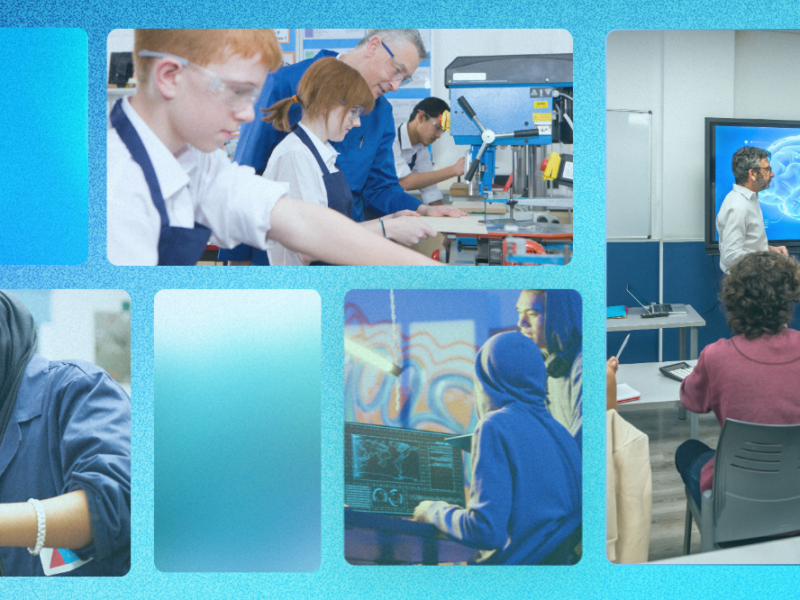
Preparing Young People for the Future of Work
When people talk about the future of work, the conversation almost always starts with artificial intelligence. And that’s understandable. Artificial Intelligence (AI) is transforming industries, reshaping jobs, and changing the way we work at an unprecedented pace.