Building sustainable jobs
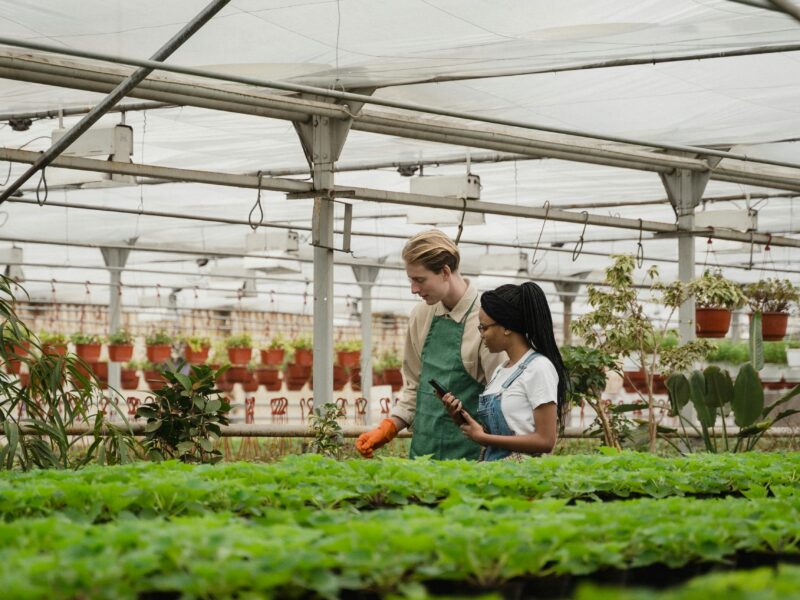
The transition to a decarbonized, net-zero economy is reshaping Canada’s workforce. Demand is growing for roles in renewable energy, clean technology and construction trades that will make buildings energy efficient. Workers in traditional sectors will need to adapt as green practices become standard across jobs.
Skills for a changing economy
While net jobs are almost certain to increase in the transition to a decarbonized economy, the skill sets required for these jobs will change. The biggest changes in skills will be in existing occupations incorporating green skills into their overall skills profiles. Even workers in traditional occupations will increasingly need to incorporate green skills into their work. Education systems will be expected to equip students with in-demand green skills as they transition to the labour market. A range of skills-based approaches is required to support Canada’s successful net-zero transition, benefiting all peoples and communities.
Place-based approaches drive success
While national policies help set the direction, successful transitions happen locally. Engaging communities in designing and delivering workforce solutions ensures the transition reflects regional realities and benefits everyone. People facing systemic barriers to learning and employment, tend to suffer disproportionately in economic transitions. By engaging communities, equity-deserving groups, and Indigenous partners, Canada can design solutions that create good jobs and help all workers share in the benefits of a net-zero economy.

Key Insights
Labour shortages are expected across critical industries. We’ll need 360,000 workers in the construction industry by 2033 (CIBC), up to 255,000 workers in mining by 2034 (Mining Industry Human Resources Council), and at least 130,000 new workers in the electricity sector by 2028. (Electricity Human Resources Canada)
Up to 16% of advertised jobs in key sectors like mining and utilities require green skills. (FSC, CBOC)
75% of jobs in the economy are in sectors that are neither energy-intensive nor greenhouse gas-intensive, yet we know those roles will be affected by energy transitions. (FSC, Diversity Institute)

Learn how our partners are paving the way for a green transition

How governments and agencies can build the bridge to clean economy careers

How workers can transition from vulnerable jobs to clean economy careers

Highlights of our impact
Along with our partners, we are identifying a range of skills-based approaches that can help support workers, employers and communities facing the net-zero transition.
Research by FSC and our partners has established that the significant job losses resulting in certain industries will be more than offset by new opportunities in emerging sectors. However, the skill sets required for jobs will change and require coordinated skills development in the coming years.
Using evidence to drive change
Through our State of Skills report series, we bring together lessons about how to prepare workers and employers for Canada’s low carbon economy.
Key questions we’re investigating
- What approaches or resources will help communities and regions proactively transition to low caron activities?
- How could decarbonization approaches in Canada affect demand for and supply of skilled tradespeople?
- What additional actions can we take to ensure Canada has the skilled trades workforce it needs for net-zero transition and other priorities such as housing?
- What measures can ensure affected workers, Indigenous Peoples and other underrepresented communities have agency in planning for the net-zero transition?
- What skills training is most effective in helping workers transition from sectors or occupations in decline to those in demand?
Learn more about our research and projects focused on sustainable jobs

The Demand for Green Skills and the Impact on the Supply and Demand for Apprentices and Certified Journeypersons in the Canadian Economy
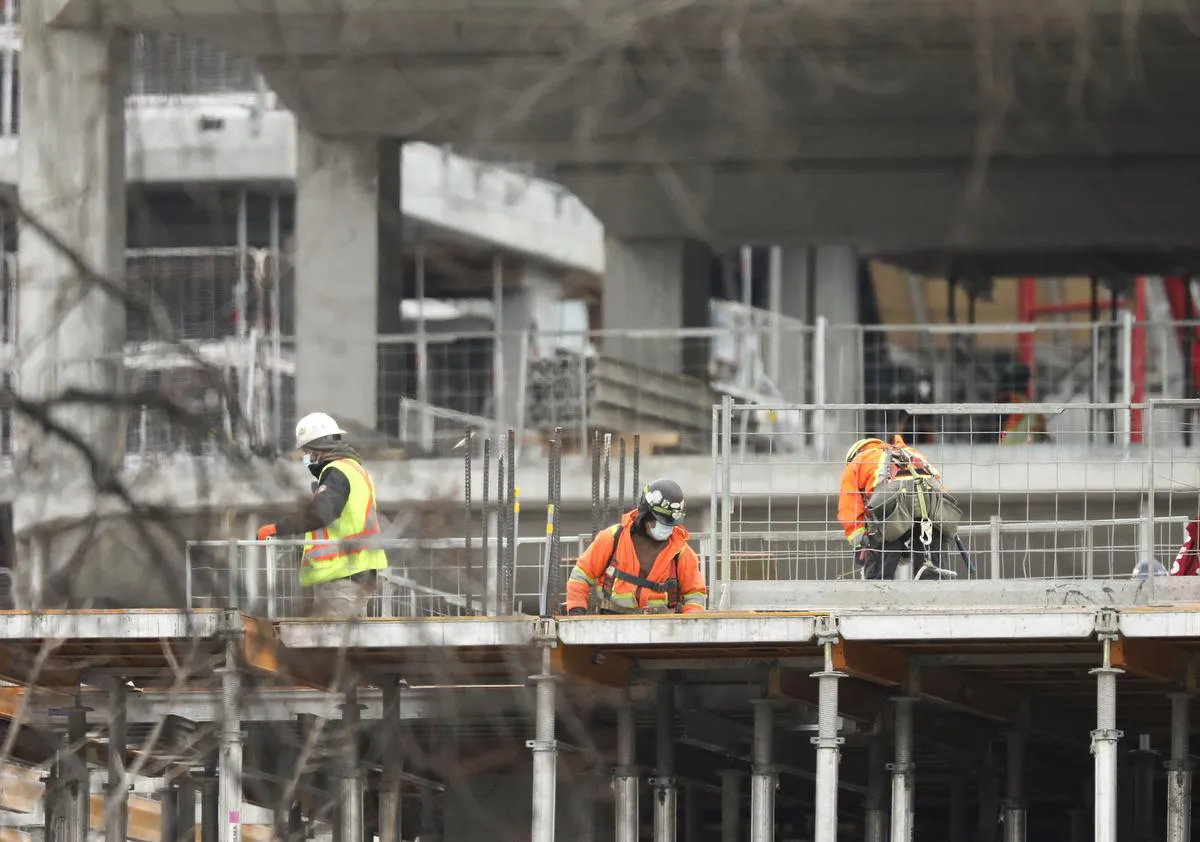
Skills for Infrastructure Innovation